

How do you make cigarettes?The Complete Process from Raw Materials to Finished Products
Cigarettes are one of the most widely consumed tobacco products in the world. Although different brands of cigarettes vary in taste, design, and price, they share similar core steps in the production process. This article will detail the production process of cigarettes from raw material selection, tobacco leaf preparation, cigarette manufacturing process, and brand production, allowing you to have a more comprehensive understanding of this industry.
How do you make cigarettes?Raw Materials: The Core Foundation of Cigarettes
The quality of cigarettes primarily depends on tobacco leaves. High-quality tobacco leaves are usually carefully selected, requiring uniform color, moderate fibers, and specific aromas and flavors.
Tobacco Leaves: They are mainly responsible for determining the taste and burning speed of cigarettes. The aroma of tobacco leaves varies in different regions, such as Virginia tobacco in the United States is sweet, while Turkish tobacco has an spicy flavor.
Additives: To improve the taste and burning experience, manufacturers add natural or artificial additives to the tobacco leaves, such as spices, moisturizers, or harmonizers. These components not only enhance the flavor but also keep the cigarettes burning steadily.
Tobacco leaf treatment
After harvesting, tobacco leaves need to be dried or air-dried to reduce moisture content and prevent mold. This process is an important first step in determining the final quality of cigarettes.
Fermentation
The tobacco leaves are fermented under controlled temperature and humidity conditions. Fermentation can break down some irritating substances, making the tobacco more mellow, while also forming a unique aroma.
Cutting
The fermented tobacco leaves are cut into uniform thin strands, which is what we call “tobacco silk”. The thickness of the cutting affects the burning speed and taste of the cigarettes.
Additive Mixing
The cut tobacco is mixed with flavoring agents, sugar, or other harmonizers to form a specific flavor formula. Different brands showcase their differences in this step, creating unique aromas.
Rolling Paper
Special cigarette paper is used to wrap the tobacco silk. This type of paper generally has good breathability and uniform burning, and some also have brand logos.
Tobacco Silk Filling
The machine evenly fills the cut tobacco silk into the rolling paper to ensure consistent burning. Some high-end custom cigarettes use manual filling to ensure personalization.
Cutting
The filled long strips of cigarettes are cut to a standard length, usually 20 per pack.
Finished Product Packaging
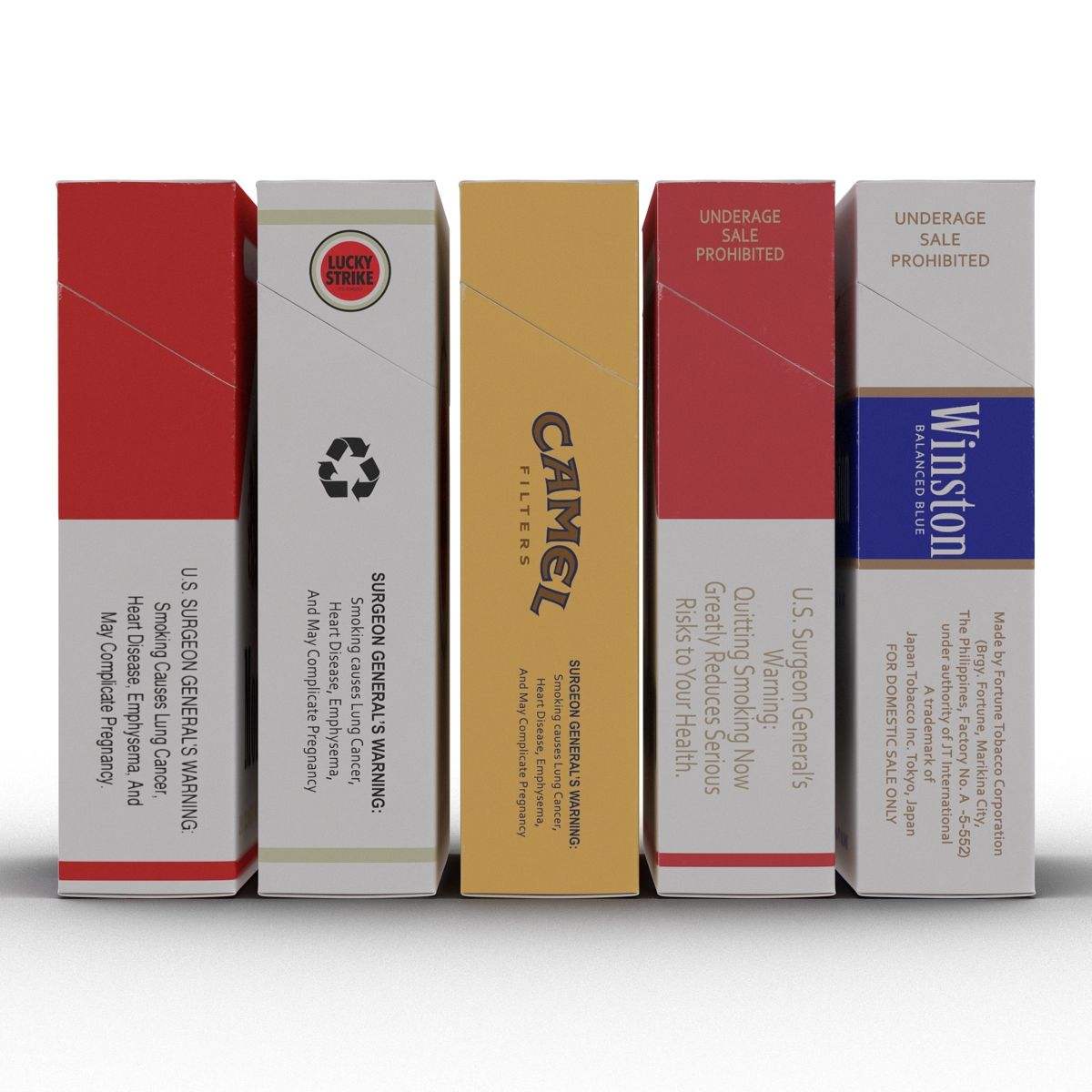
After cutting, the cigarettes enter an automated packaging line. Paper boxes, hard boxes, or metal boxes are designed according to different market demands and are labeled with trademarks, tax tickets, and anti-counterfeiting labels.
How do you make cigarettes?Brand Manufacturing: The Combination of Factory Production and Manual Work Factory production
Modern cigarettes are mostly produced in large factories in batches, using automated production lines to ensure efficiency and stability. Throughout the process, quality control is carried out to ensure that each cigarette maintains consistency in weight, length and taste. The packaging stage is also mostly completed by machinery to meet the huge demand of the global market.
Manual Manufacturing
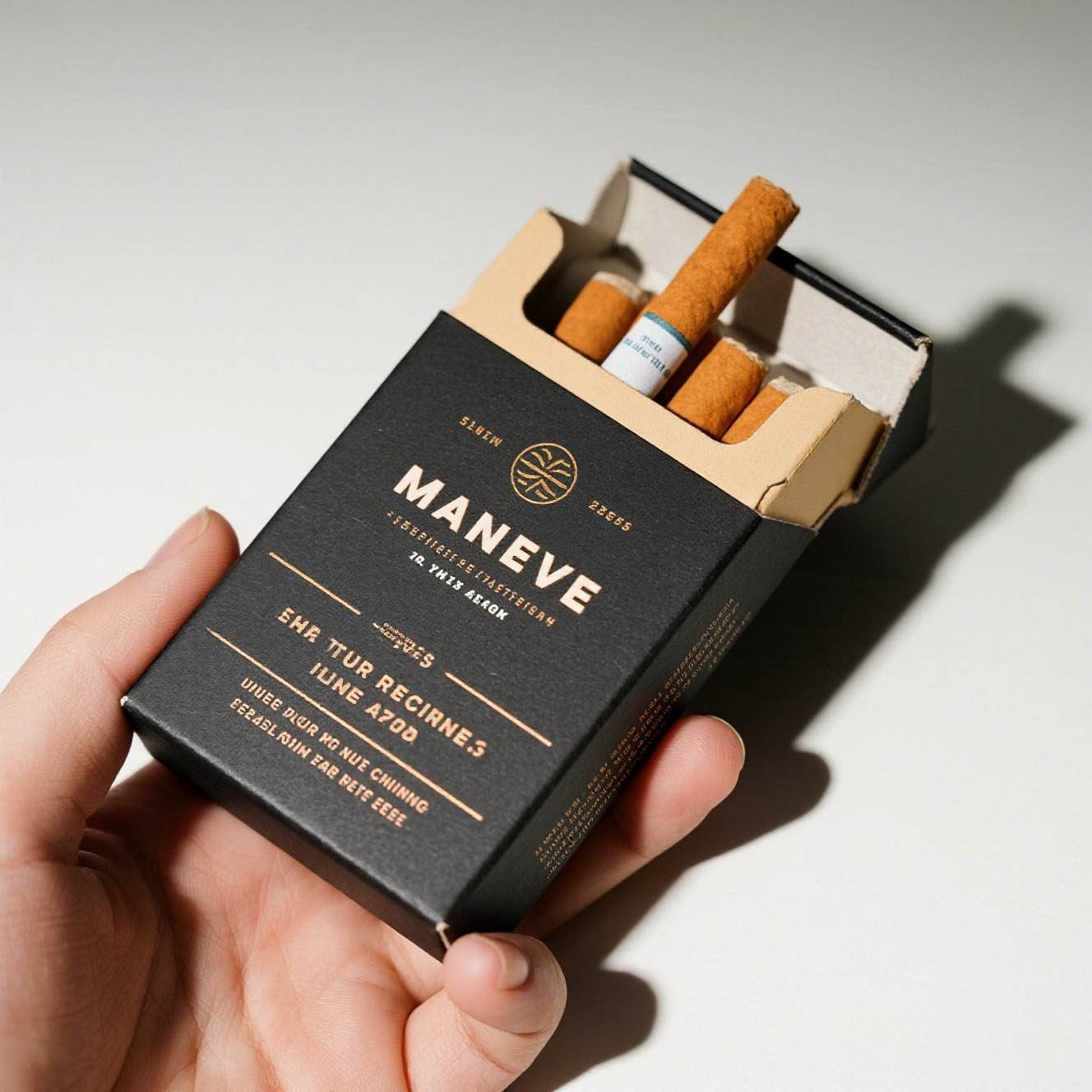
Unlike industrial mass production, some custom brands or small-scale workshops still retain the tradition of hand-rolling cigarettes. These cigarettes focus on individualization and unique experiences, and are commonly found in the high-end market or special customization occasions. Manual production is not only more flexible in terms of craftsmanship, but also can be customized in packaging according to customer needs, such as personalized designs, limited edition gift boxes, etc.
How do you make cigarettes?The Diversity and Trends of Cigarette Production
With the development of the market, cigarette production is showing a diversified trend:
Customization: Consumers are increasingly seeking personalized experiences, and custom-made cigarettes and exclusive packaging have become new trends.
Environmentally Friendly Packaging: To comply with the global environmental trend, some brands have begun to use degradable materials and recycled paper instead of traditional cigarette boxes.
New Technologies: While retaining traditional flavors, manufacturers are constantly exploring new scent blending techniques to meet the preferences of consumers in different regions.

How do you make cigarettes?Conclusion
The production of cigarettes is far more than simply “rolling tobacco into paper”. It involves a complete process chain from the processing of tobacco leaves, fermentation, cutting, to cigarette rolling, packaging, and brand production. Whether it is large-scale factory production or small-scale handcrafted customization, every step directly determines the quality and market value of cigarettes.
With the changes in consumer demands, the future cigarette production will place greater emphasis on environmental protection, personalization and high-endization, which is also the key for brands to stand out in the fierce market.
Key words: #Cigarette Production# How do you make cigarettes?# How Are Cigarettes Made# Cigarette Production Process
Post time: Sep-22-2025