

How much are cigarettes in Australia?Taxes, Trends and Consumption Impact
Internationally, cigarette prices in Australia have always been in the “high range”. Compared with the market prices in many countries, the pricing of Australian cigarettes not only reflects the government’s public health policies but also reveals the strict tax system and the overall attitude of society towards smoking. This article will comprehensively analyze the current situation of cigarette prices in Australia from aspects such as price composition, purchasing channels, price change trends, and the underlying social impact.
How much are cigarettes in Australia?Overview of Australian Cigarette Prices
If you were to describe the prices of cigarettes in Australia with one word, it would be “expensive”. According to the average market price, the price of a pack of cigarettes is usually above 20 Australian dollars, and some premium brands even approach 40 Australian dollars.
The reason for this high price is not the production cost of cigarettes, but the government’s use of taxes to restrict smoking behavior. This approach is both part of the public policy and an important means to promote the transformation of society towards health.
How much are cigarettes in Australia?Tax composition: The root cause of the high price
In Australia, the majority of cigarette prices come from taxes, including:
Tobacco tax: As the core tool of government regulation, the tobacco tax is increasing year by year.
Goods and Services Tax (GST): It is levied on all consumer goods, including cigarettes.
Profit tax and retail markup: The profit margin at the retail level also has an additive impact on the final price.
For example, a pack of cigarettes priced at 25 Australian dollars may have over 70% being taxes, and the actual cost of tobacco accounts for a very low proportion. In other words, consumers pay mainly “tax” rather than “cigarette”.
How much are cigarettes in Australia?Factors influencing prices: Not just tax rates
Although taxation is the main cause, cigarette prices are also affected by other factors:
Brand differences: International brands such as Marlboro and Camel have generally higher pricing, while local brands are relatively lower.

How much are cigarettes in Australia?Packaging and specifications: Different pack sizes (20, 25, 30) bring price differences.
Policy adjustments: The annual tax rate adjustments by the government directly affect the retail price.
For consumers, these factors mean that cigarette prices are not only high but also constantly changing, making it difficult to maintain stability.
How much are cigarettes in Australia?Purchasing channels: Where can you buy cigarettes?
In Australia, cigarettes can be purchased through the following channels:
Convenience stores and supermarkets: This is the most common purchasing place.
Specialty stores: Some tobacco stores offer more brand choices.
Online ordering: Although there is strict identity verification, some platforms provide online ordering and offline pickup methods.
It is worth noting that advertising is strictly restricted, so in supermarkets or convenience stores, you will hardly see “cigarette displays”, and usually you can only choose through a simple list at the back of the checkout counter.
Price change trends: Over the past decade, cigarette prices in Australia have shown a clear upward trend, far exceeding the inflation rate.
Long-term trend: Prices have risen almost every year, and the increase is particularly significant after tax adjustments.
Short-term fluctuations: Influenced by policies, exchange rates, and brand market positioning, the price increases of different brands vary.
This trend reflects the government’s long-term goal – to increase prices to reduce smoking rates and ultimately reduce the public health burden caused by tobacco.
The policy logic behind high prices
Why does Australia make cigarettes so “luxurious”? The answer is clear: to reduce smoking and promote public health.
Using prices to curb demand: High prices deter many people, especially young people.
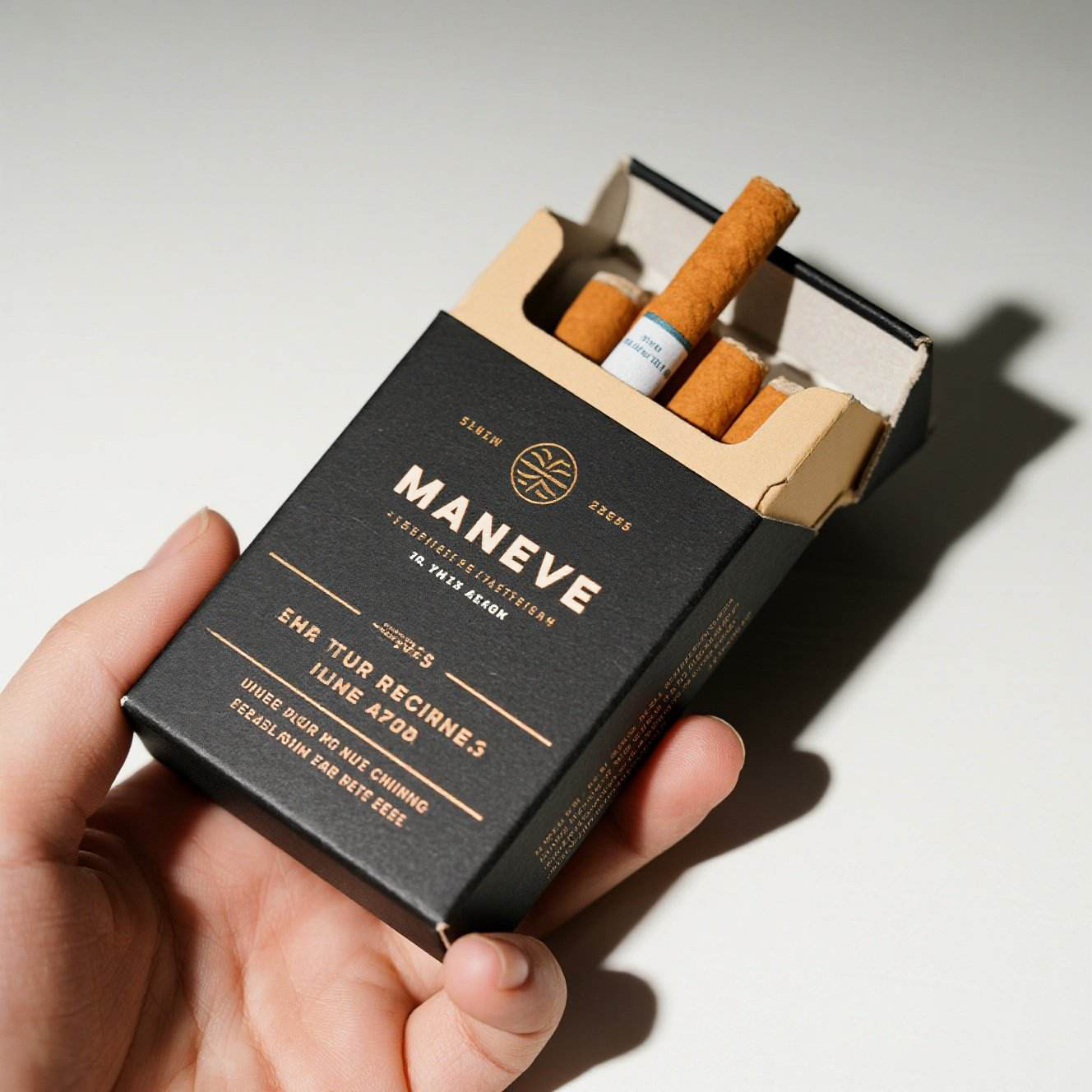
Health warnings and packaging policies: Uniform “dark packaging” combined with warning patterns further weaken the attractiveness of cigarettes.
Public place smoking bans: Strict laws on smoking areas also reduce social tolerance.
This “price + regulation” dual combination has gradually made smoking in Australia a behavior characterized by “high cost, limited choices, and low social acceptance”.
Regulatory restrictions and social impact

In Australia, cigarettes are not only expensive but also subject to a series of legal controls:
Age limit: Those under 18 are not allowed to purchase or smoke.
Advertising ban: There are virtually no cigarette advertisements on TV, online, or in physical stores.
Place ban: Smoking is completely prohibited in indoor public places, and many outdoor areas also have clear restrictions.
This strict management model has led to a year-on-year decline in smoking rates in Australia, providing a reference for other countries.
How much are cigarettes in Australia?Consumers’ countermeasures and alternative choices
Facing high prices and restrictions, consumers in Australia have gradually turned to other options:
Electronic cigarettes and heated non-combustible products: Although they are also subject to regulation, some people regard them as substitutes.
Quit-smoking programs: Many people choose to rely on government-provided quit-smoking support services.
How much are cigarettes in Australia?Reducing consumption: Price-sensitive groups are forced to reduce their smoking frequency.
From a social perspective, these changes are transforming the entire tobacco market landscape.
How much are cigarettes in Australia?Summary: The deeper meaning behind the price
The “high price” of cigarettes in Australia is not merely a market phenomenon, but a result of the joint promotion of public policies and social consensus. By continuously increasing tobacco taxes, restricting purchase channels, and strengthening regulatory supervision, Australia not only makes cigarettes an “expensive commodity”, but also makes smoking an “unprofitable choice”.
For consumers, this means that smoking in Australia is a “high-cost behavior”; for the government and society, this is an effective health strategy.
Extension thinking: In the future, as global awareness of the health risks of tobacco deepens, other countries may draw on Australia‘s model. The price of cigarettes is no longer just a “consumer price”, but a manifestation of health policies.
Key words: #Australian cigarette prices #tobacco taxes#smoking restrictions#purchase channels,etc.
Post time: Sep-16-2025