
Let's face it, in today's market, your preroll can be perfect—premium flower, flawless roll, incredible effects—but if it lands on the shelf in a flimsy or forgettable box, it might as well be invisible. Your preroll packaging box supplier isn't just a vendor; they're a strategic partner for your brand's identity, compliance, and customer experience. Choosing the right one is the difference between blending in and standing out.
Before a customer ever feels your product's effects, they see, touch, and open your package. That unboxing moment is a non-negotiable part of the modern consumer experience. A professional preroll packaging box supplier understands this deeply. They know their craft extends beyond cardboard and glue—it's about creating a tangible brand touchpoint.
They translate your vision (whether it's luxury, eco-conscious, or street-smart) into a physical form that communicates instantly on the shelf or in a digital unboxing video. This first impression builds immediate value perception and can directly influence the decision to purchase, especially in a competitive retail or dispensary environment where dozens of options vie for attention.
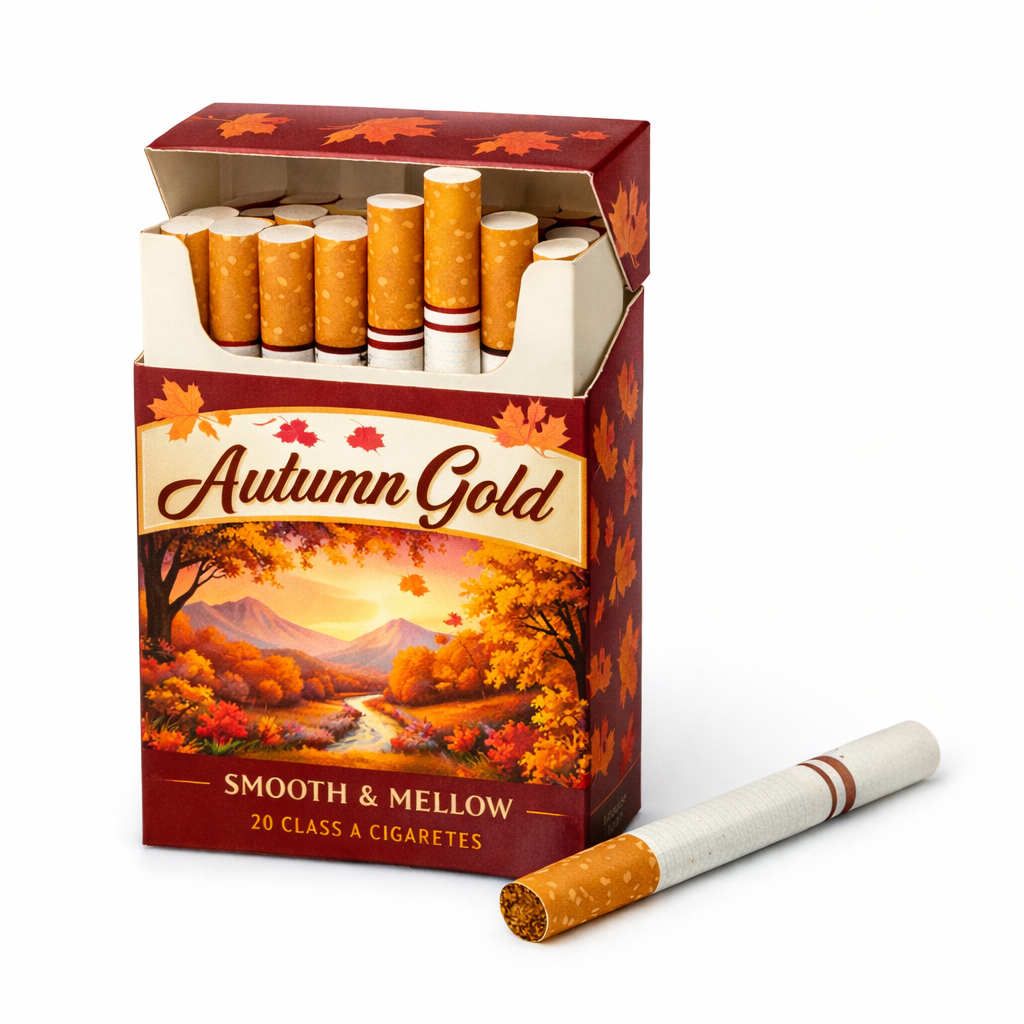
Not all suppliers are created equal. Here are the seven critical pillars to evaluate when selecting your partner.
1. Material Mastery and Customization Depth
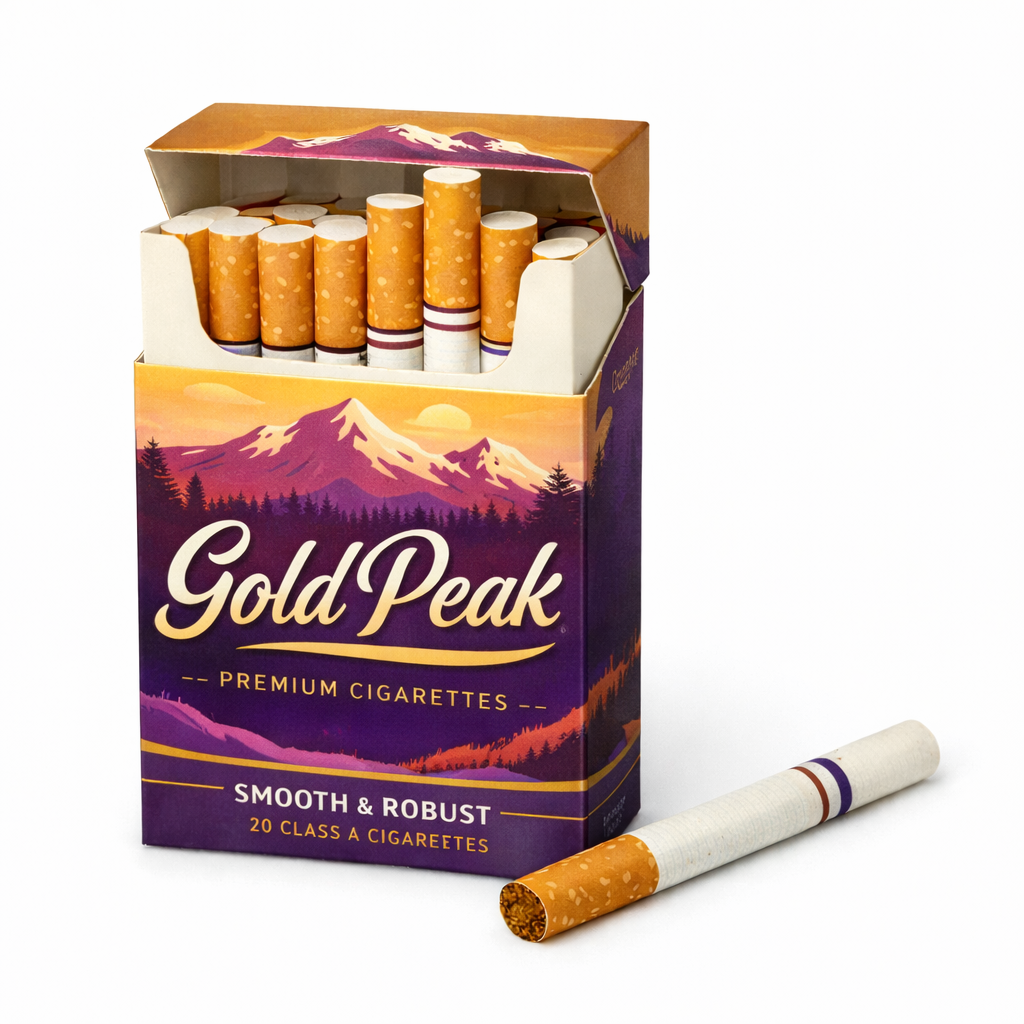
A great preroll packaging box supplier offers more than just standard stock. They should be a consultant on materials. Can they provide the rustic, sustainable appeal of kraft paper tubes, which appeal strongly to eco-conscious consumers? Do they offer the premium feel and superior protection of luxury metal tins, which guard against light, air, and moisture to preserve freshness? What about clear plastic tubes for product visibility or classic sliding drawer boxes for a high-end unboxing feel?
The key is their ability to execute your unique design. Look for suppliers that list comprehensive customization: from embossing and foil stamping for luxury, to spot UV coatings for subtle shine, and full CMYK color printing for vibrant graphics. Their minimum order quantity (MOQ) is also crucial. Some suppliers may have MOQs as low as 500 units, which is ideal for startups and small batches.
2. Built-In Compliance and Child Safety Features
In many regions, packaging regulations are strict. Your preroll packaging box supplier must be an expert in child-resistant (CR) packaging that doesn't sacrifice design. This goes beyond a simple "push-and-turn" mechanism. It's about integrating safety seamlessly.
Look for features like child-safe pop tubes that meet testing standards (like ASTM in the U.S.) while offering a premium canvas for your branding. Some suppliers offer lock-bottom cartons or specific tuck and seal-end with zipper styles that provide secure, re-closable functionality, which is a common requirement. A supplier experienced in this area will guide you through compliance without forcing you into a one-size-fits-all, clinical-looking box.
3. Structural Integrity and Technical Design
Will your package survive the mail? Will it stay crisp on a dispensary shelf? Your supplier needs strong technical design capabilities. Ask about their box type options: a rigid setup box feels more premium than a folding carton. Inquire about construction styles—do they offer a "1-2-3 Snap-Lock Bottom" for easy, sturdy manual assembly, or a "Crash-Lock Automatic Bottom" for quick setup without tape?
These technical terms signal a supplier who understands packaging engineering, not just printing. This ensures your product is protected from manufacturing to the customer's hands.
4. End-to-End Project Management
A smooth process is vital. A reliable preroll packaging box supplier manages the journey from concept to delivery. This includes clear communication on:
- Proofing Cycles: How do they share digital and physical proofs for your approval?
- Production Timeline: What are realistic lead times? Some suppliers quote 7-15 days for production, plus shipping.
- Logistics: Can they handle bulk shipping, provide freight solutions, and ensure secure delivery?
This project management skill turns a complex custom job into a stress-free experience for you.
5. Commitment to Sustainability
For a growing segment of consumers, the package is a reflection of your brand's environmental ethics. A forward-thinking supplier will offer eco-friendly solutions. This includes using recycled materials, biodegradable or compostable options, and soy-based inks. They can advise on lightweighting designs to reduce shipping emissions and material use.
Some innovative approaches even extend to the supply chain, like using roll packing methods to eliminate polybags entirely, a practice adopted by apparel brands to cut plastic waste. Demonstrating this commitment can be a powerful part of your brand story.
6. Scalability and Volume Flexibility
Your needs will change. A true partner preroll packaging box supplier can scale with you. They should offer transparent, tiered pricing models (e.g., price breaks at 1,000, 5,000, and 20,000 units) and be able to handle both your initial small runs and large-scale production as you grow. Ask about their capacity to ensure they won't become a bottleneck for your success.
7. Proactive Innovation and Trend Awareness
The best suppliers don't just follow trends; they anticipate them. Do they suggest integrating smart elements like QR codes on packaging? This can link to lab results, loyalty programs, or branded content, turning a static box into an interactive platform. Are they exploring innovative materials or limited-edition series packaging that can drive collector's value and social media buzz? A supplier that brings new ideas to the table is investing in your long-term growth.
1. Start with Specialized Sourcing: Look beyond general packaging companies. Search for suppliers with explicit experience in preroll, CBD, or compliant packaging. Industry-specific B2B platforms and trade shows are excellent starting points.
2. Request Comprehensive Samples: Never order based on a PDF alone. Pay for physical sample kits. Test the child-resistant mechanism, feel the material quality, and assess the print fidelity.
3. Ask Detailed Questions: Probe their knowledge. "How do you ensure batch-to-batch color consistency?" "Can you provide a Certificate of Compliance for child safety?" "What is your process for handling a design with multiple special finishes?
4. Check References and Portfolios: Ask for case studies or client references, especially from brands whose packaging you admire. Review their portfolio for diversity and quality of execution.
5. Clarify All Costs Upfront: Understand the full quote—setup fees, plate charges, proofing costs, packaging costs per unit, and shipping. There should be no hidden surprises.
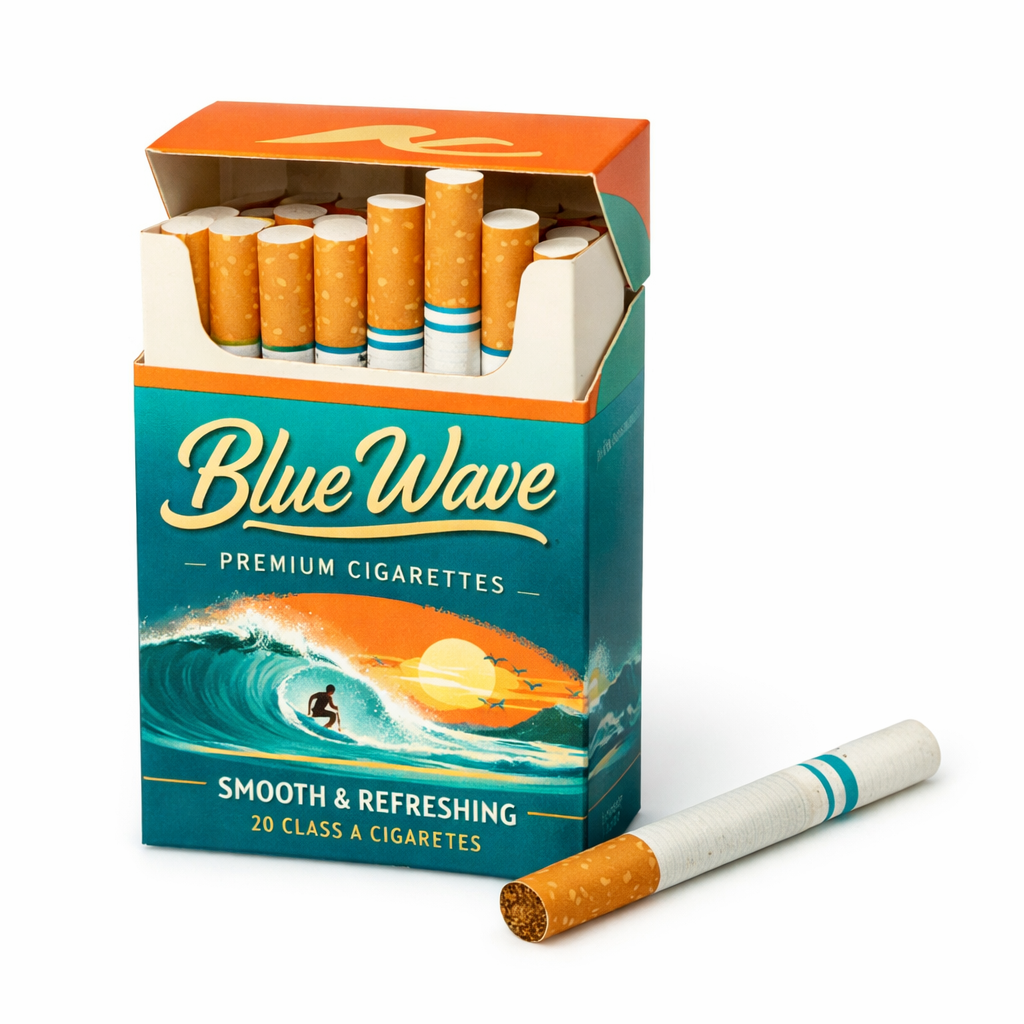
Choosing your preroll packaging box supplier is a critical business decision. The right partner provides more than a container; they deliver the durable, compliant, and breathtakingly on-brand home for your product that gets it off the shelf and into your customer's hands—and their social media feeds.
By prioritizing a supplier that excels in material choice, compliance, structural design, and project management, you're not just buying boxes. You're investing in a fundamental brand asset that builds recognition, ensures safety, and drives sales. Start the conversation with potential suppliers using this checklist, and build the packaging partnership your brand deserves.
Because your packaging is your brand's first impression and your product's "home." A great supplier delivers more than a box—it's about brand identity, customer unboxing experience, crucial regulatory compliance, and ultimately, standing out on a crowded shelf. The wrong supplier can make even a perfect product look cheap or get lost among competitors.
The choice depends on your brand positioning. Key options highlighted in the guide include eco-friendly kraft paper tubes, premium and protective luxury metal tins, and clear plastic tubes for product visibility. A strong supplier acts as a consultant, recommending the right material and customization (like foil stamping or spot UV) based on your brand's vibe (luxury, sustainable, street-smart) and product preservation needs.
This tests a supplier's true expertise. You need a supplier well-versed in child-resistant (CR) packaging and design. They should offer solutions that meet safety standards (like ASTM) while maintaining aesthetics, such as stylish child-safe pop tubes, lock-bottom cartons, or reclosable tuck-and-seal designs. Good design integrates safety seamlessly rather than sacrificing it.
The guide recommends a clear process: First, request and physically test comprehensive samples for feel and function. Second, ask detailed questions about their project management, timelines, and all-in costs. Finally, review their portfolio and case studies, and ask for references from brands you admire. Ensure they can provide compliance certificates and scale with your growth from small to large runs.
Post time: Feb-04-2026