

When were Cigarettes Invented? The complete evolution from ancient tobacco rituals to modern rolled cigarettes
The paper-wrapped cigarettes familiar to modern people did not exist from the beginning. Instead, they gradually emerged after thousands of years of tobacco usage customs, technological innovations, industrial revolutions, and sociocultural transformations. Although tobacco use dates back thousands of years, the true “modern cigarette” was only created after the invention of cigarette-making machines in the late 19th century. This article traces tobacco’s origins, systematically exploring the complete evolution of cigarettes from ancient ritual items to industrialized commodities.
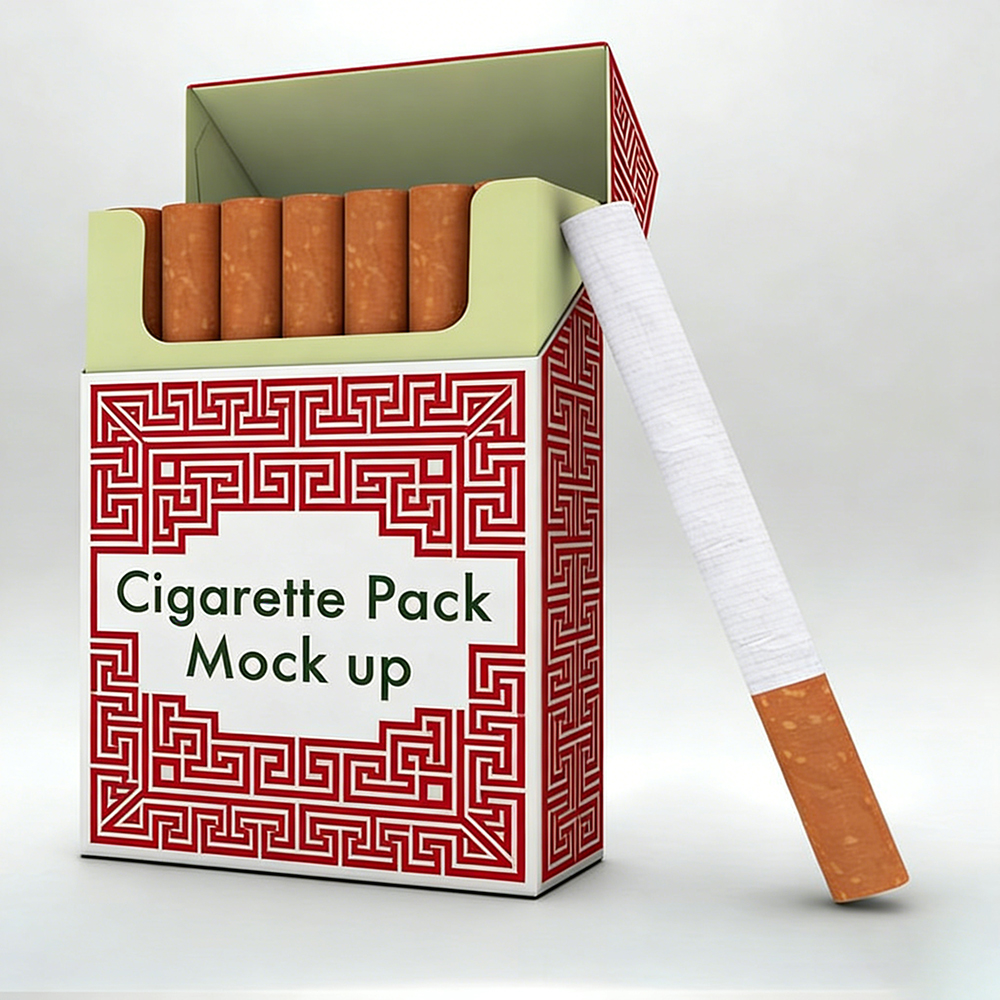
When were Cigarettes Invented? Quick Answer: When exactly were cigarettes invented?
If we define “modern cigarettes” as machine-made, paper-wrapped, uniformly shaped, structurally stable, and typically filter-tipped tobacco products, their birth is precisely dated: In 1880, American inventor James A. Bonsack successfully developed the first practical cigarette-making machine, enabling the first truly large-scale industrial production of cigarettes.
However, looking further back in history, human tobacco use predates modern cigarettes, evolving through various forms including religious rituals, pipes, cigars, and snuff. Thus, “When were cigarettes invented?” is more accurately framed as a multi-stage evolutionary question.
When were Cigarettes Invented? What exactly were people smoking before cigarettes?
Before cigarettes emerged, human tobacco consumption was already remarkably diverse. Native Americans were the earliest known users, inhaling and chewing tobacco leaves in religious ceremonies, medicinal contexts, and social gatherings—practices dating back thousands of years. At that time, tobacco was revered as a sacred plant, believed to facilitate communication with spirits or cure illnesses.
Following the Age of Discovery in the 16th century, European colonists introduced tobacco back to Europe, sparking the rapid spread of new consumption methods like pipes, snuff, and cigars. “Smoking” in that era was almost synonymous with “smoking tobacco through a pipe,” while paper-rolled cigarettes were virtually nonexistent. Therefore, if someone asks, “Did people in medieval Europe smoke?” the answer is: almost certainly not, as tobacco had not yet reached Europe during that period.
By the 18th and 19th centuries, snuff, pipes, and cigars became the primary forms of tobacco consumption, while the rudimentary form of cigarettes also began to emerge during this period.
When were Cigarettes Invented? The Origins of Cigarettes: From Soldiers’ Paper Rolls to the True “Cigarette”
The earliest paper-rolled cigarettes originated in Spain and France. From the late 18th to early 19th century, Spanish soldiers often rolled leftover tobacco scraps in scrap paper or thin paper. These simple paper rolls are considered the earliest precursors to cigarettes. French soldiers soon followed suit, and the term “cigarette” gained widespread popularity during the Crimean War.
At this stage, cigarettes remained handmade, inconsistent in quality, limited in production, and difficult to popularize. Only a few smoked this “poor man’s tobacco,” while cigars and pipes remained the mainstream choices for the aristocracy and middle class.
Therefore, while we cannot definitively say “who smoked the first cigarette,” it is clear that early paper-wrapped cigarettes most likely originated from Spain’s handmade tobacco tradition and spread throughout Europe via soldiers.
When were Cigarettes Invented? The modern cigarette truly emerged in 1880: The cigarette machine changed everything
The pivotal event that altered cigarettes’ destiny occurred in 1880. James Bonsack’s invention of the cigarette machine could produce hundreds of cigarettes per minute, whereas manual rollers could manage only a few hundred per day at most. This massive difference in production capacity rapidly transformed cigarettes into an affordable, widely accessible commodity suited for industrial-scale sales.
The American Duke family swiftly partnered with Bonsac, establishing vast cigarette factories that rapidly conquered the U.S. market in the late 19th and early 20th centuries. Subsequently, cigarette brands proliferated like mushrooms after rain, transforming cigarettes into a mass-market consumer product.
It was only after 1880 that cigarettes truly entered the “modern era.”

When were Cigarettes Invented? Further Evolution of Cigarettes: Filters, Menthol, Light Cigarettes, and E-Cigarettes
Driven by industrialization and scientific research, cigarette products underwent continuous refinement. Filter-tipped cigarettes first appeared in the 1920s and rapidly gained popularity after World War II. Brands promoted filter technology as “healthier” and “cleaner,” though these claims later proved scientifically unfounded.
Subsequent decades saw the introduction of menthol cigarettes, light cigarettes, and extra-long cigarettes to cater to diverse consumer preferences. Entering the 21st century, e-cigarettes and heat-not-burn tobacco products emerged as a new generation of alternatives, giving the habit of “smoking” a fresh technological form.
Did everyone smoke in the past? Smoking culture varied dramatically across eras.
People often ask: “Did everyone smoke in the 1920s?” or “Was smoking extremely common in the 1940s?”
The reality is that smoking rates were indeed high during these periods, particularly in Europe and the United States. Hollywood stars, fashion advertisements, and military rations all significantly fueled smoking culture. However, the notion of “everyone smoked” is an exaggeration—adult smoking rates in most countries hovered around 40%, not 100%.
Victorian-era women smoking was once considered improper, becoming more common only in the 20th century. Historical figures like British royals were also documented as smokers, and some remain subjects of public curiosity to this day.
In modern times, smoking rates have generally declined, though some countries and youth demographics show a “resurgence” trend linked to psychological stress, social media culture, e-cigarette marketing, and fashion trends.
When were Cigarettes Invented? From “Health Supplement” to Health Crisis: The Emergence of Cigarette Risk Awareness and Regulation
In the early 20th century, cigarettes were even advertised as “beneficial to health,” with some brands claiming to “cure sore throats.” It wasn’t until the 1950s, when scientific research first clearly established a strong link between cigarettes and lung cancer, that the world began to reassess the dangers of smoking. Following the 1960s, nations progressively implemented stringent regulations, including bans on tobacco advertising, mandatory health warnings on packaging, increased tobacco taxes, and restrictions on smoking in public spaces.
For instance, the UK’s 2007 comprehensive ban on indoor bar smoking marked a pivotal turning point in Europe’s journey toward smoke-free public spaces.
As regulations advanced, cigarette packaging underwent significant transformation—shifting from brand image emphasis to health warnings, and even adopting standardized plain packaging in some countries.
When were Cigarettes Invented? The Evolution of Cigarette Packaging: From Simple Paper Wraps to the New Era of Sustainable Cartons
Early cigarettes were typically packaged in simple paper wraps or metal tins, serving basic functional purposes. With the rise of industrialized cigarettes, brands began using elaborate paper packaging to establish visual recognition. Compact, sturdy cartons protected cigarettes while facilitating portability, with their printed designs becoming crucial assets in brand competition.
Later, health regulations worldwide mandated large-scale graphic warnings and text on packaging, driving standardization and uniformity in cigarette design.
In recent years, environmental regulations in some countries have required reduced plastic use, prompting the tobacco industry to adopt recyclable paper materials and eco-friendly manufacturing processes. As a professional paper packaging manufacturer, Fuliter aligns with this trend by providing sustainable, high-quality, and customizable paper box solutions for the food, tobacco, and various FMCG industries.
When were Cigarettes Invented? Historical Anecdotes: Bizarre Records and True/False Stories About Cigarettes
History abounds with curious tales about cigarettes, such as the record of “who smoked 800 cigarettes at once?”—most of which carry theatrical or exaggerated elements. Stories like “the world’s oldest smoker” are often used to mislead the public—in reality, the existence of a few long-lived smokers does not alter the scientific consensus that smoking carries significant health risks.
While lacking scientific merit, such tales reflect tobacco’s unique cultural position and reveal enduring public curiosity and debate surrounding the product.
When were Cigarettes Invented? Summary: The Complete Evolution of Cigarettes—From Ancient Ritual Items to Modern Controversial Goods
Reviewing the history of cigarettes reveals they have never been a static product. Instead, they have continuously evolved alongside cultural dissemination, technological innovations, wars, advertising, and scientific advancements. From sacred plants in ancient America to 19th-century soldiers’ hand-rolled cigarettes, the industrial revolution brought by the Bonsack cigarette machine, and the subsequent development of filter tips, light cigarettes, menthol cigarettes, and contemporary e-cigarettes, humanity’s methods of tobacco consumption have constantly transformed.
Understanding cigarette history not only illuminates their global cultural impact but also highlights the critical importance of health risks and regulations. Within the modern packaging industry, packaging itself has become a vital component of the tobacco sector—from material selection and print design to health warnings and sustainability initiatives.
If you require further information on sustainable paper packaging, custom food boxes, or related products, explore Fuliter’s product catalog. We provide high-quality packaging solutions compliant with international standards.

Tags: #custom packaging box #package box #exquisite packaging box
Post time: Dec-12-2025