

Introduction: How Cigarette Carton Packaging Design Balances Structure and Shipping
In the field of carton packaging manufacturing, Cigarette Carton Packaging Design involves not only the outer carton dimensions and printing quality but also multipack combinations, board strength, production efficiency, and shipping protection. For buyers developing custom cartons, an ideal carton should be designed according to the actual inner packaging dimensions while also meeting the requirements of assembly, warehousing, and logistics.
For a custom carton supplier such as WellPaperBox, packaging development should start from the product specifications, paper material, die-cut structure, and target sales market. Incorporating structural design, pre-press checks, and shipping tests into a single workflow helps reduce issues such as size mismatches, printing deviations, and shipping damage.
Planning the Multipack Structure and Carton Dimensions
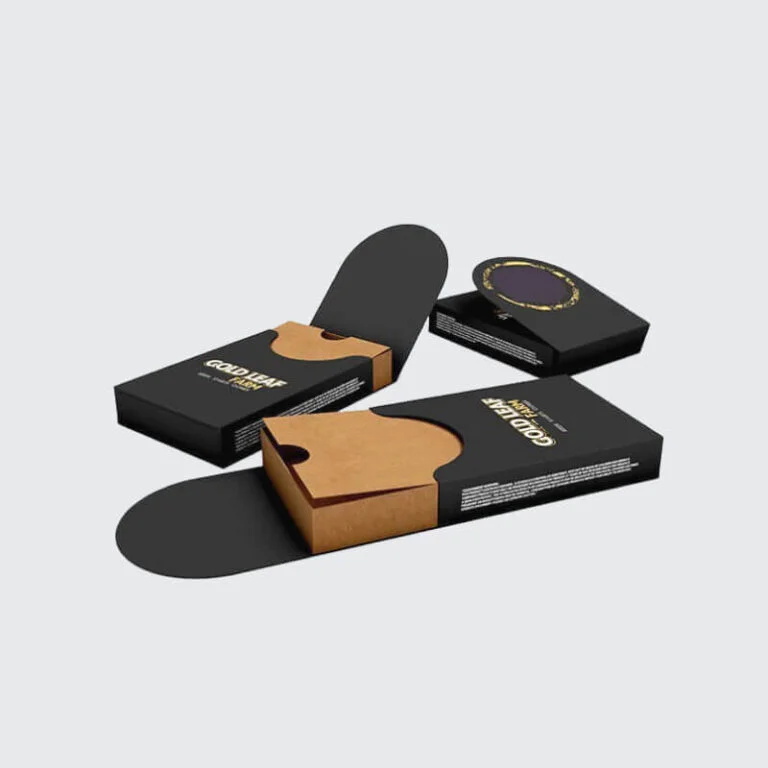
A multipack carton usually needs to hold multiple individual inner packages, so the structural design should first clarify the number of packages, their arrangement orientation, overall dimensions, and packing method. Common design approaches include folding cartons, cartons with lids, and separate corrugated boxes arranged according to external shipping requirements. The specific solution should be determined by the actual product specifications and usage scenario rather than simply applying generic dimensions.
During design, measure the length, width, and height of the inner packages and consider the closure position, board thickness, folding structure, and necessary assembly clearance. Taking a carton made up of ten small packages as an example, the arrangement directly affects the overall length-to-width ratio; if inner packages of different specifications share the same die set, problems such as over-tightness, looseness, or difficulty loading may arise. Relevant sizing guidelines also point out that the dimensions of each packaging specification must be verified separately and cannot be judged as suitable merely by similar appearance.
Board material also affects structural stability. Folding cartons suit packaging solutions that require a compact structure and clean fold lines, while corrugated board is usually more suitable as the outer shipping carton material that needs extra cushioning and stacking protection. The final choice should combine product weight, board thickness, folding method, and logistics conditions.

Printing Methods, Artwork, and Pre-Press Proofing
Printing design needs to be planned in sync with the actual flat layout of the carton. Buyers should confirm in advance the printing colors, text content, artwork position, barcode area, and the information hierarchy of each panel, to prevent important content from falling on fold lines, glue areas, or lid seams. For product lines requiring multiple packaging specifications, a common base layout can be standardized, with the die and print files adjusted separately for each size.
Common carton printing options include offset printing and digital printing. Offset printing generally suits volume orders that require consistent color reproduction, while digital printing can be used for some short-run or proofing needs. The specific choice depends on order quantity, artwork complexity, color requirements, and production cost.
Surface finishing options such as matte lamination and gloss lamination can be considered according to the board type and design files, but their compatibility with the material, fold lines, and downstream processes should be confirmed first. For packaging involving tobacco products, print design must not focus only on visual appearance; it must also reserve the correct positions for the applicable statutory warnings and labeling information.
Before mass production, it is advisable to complete a digital proof review and, where conditions allow, inspect physical samples. Key points include color consistency, text clarity, barcode readability, the relationship of the panels after folding, and glue positions. Confirming these at the pre-press stage reduces the risk of discovering file errors only after large-scale printing.
Regulatory Compliance and Target Market Review
Tobacco packaging is subject to clear regulatory requirements, and the rules on health warnings, text content, display area, and panel position can vary significantly across countries and regions. Therefore, Cigarette Carton Packaging Design should treat compliance review as an independent and essential design step, rather than making last-minute adjustments after the print files are completed.
For example, the U.S. FDA's relevant materials set specific requirements for the position and area of health warnings on cigarette packs and cartons and provide corresponding technical artwork. Canada and Australia have also established their own tobacco packaging and labeling regulations.<sup>2</sup>
Buyers should specify the product's destination market at the start of a project and confirm the applicable warning content, language, size, position, and other mandatory information according to the current local regulations. When selling across multiple markets, it is not advisable to use one market's packaging files for all regions.
In actual production, packaging suppliers can check the fit between the artwork and the die based on the compliance documents provided by the client, such as confirming whether text crosses fold lines, whether warning areas are obscured by the structure, and whether the different panels match the final formed dimensions. However, the final regulatory applicability and labeling content should still be verified by the brand owner and its compliance team. Completing the review early helps reduce the risks of rework, delays, and non-compliance.

Shipping Protection, Packing Efficiency, and Stacking Tests
After a carton is produced, it still goes through packing, warehousing, handling, and shipping. Even if the inner packaging structure is well designed, problems such as crushing, deformation, corner damage, and abrasion of the printed surface can still occur if the outer carton size is unsuitable, cushioning is insufficient, or stacking strength is inadequate.
Shipping packaging should be planned according to the carton's external dimensions, quantity per box, total weight, and the expected shipping route. For orders involving long-distance transport or multiple handling operations, corrugated outer boxes can be considered, with sensible arrangement to reduce empty space inside the box. Paper dividers or other suitable securing structures can be used when necessary to reduce the likelihood of packages moving inside the box.
Outer carton dimensions also need to balance warehousing and logistics efficiency. An oversized outer box adds unusable space and shipping volume, while an over-tight packing plan may subject the cartons to extra pressure during loading and unloading. Therefore, carton strength, packing method, pallet size, and transport conditions should all be considered together.
Before bulk delivery, packaging tests such as stacking, vibration, or drop tests can be carried out according to actual shipping risks, checking whether the carton corners, closures, and surfaces show obvious damage. Test items should be determined based on the nature of the goods and logistics requirements. Verifying the shipping packaging in advance helps buyers reduce damage rates and improve the stability of bulk delivery.

What Capabilities Should a Custom Packaging Supplier Have?
When selecting a custom carton supplier, buyers should not only compare the quoted price of a single carton but also assess whether the supplier can fully understand the packaging specifications, structural requirements, print files, and delivery terms. Especially for multi-specification carton projects, die management, sampling capability, and batch quality control all affect the final procurement cost.
First, confirm whether the supplier can develop dies based on actual dimensions and provide structural drawings or sampling plans before production. Second, find out whether the board material, printing method, surface finishing, and post-press processing can meet the project requirements. For volume orders, also clarify the dimensional tolerance, print quality, sampling method, and the process for handling non-conforming products.
When requesting a quotation, it is advisable to provide the inner packaging dimensions, the number of packages per carton, board preference, print files, estimated order quantity, delivery location, and packaging purpose. If existing samples or structural reference drawings are available, they can also be submitted so that the supplier can assess the material and production plan more accurately.
For WellPaperBox, this type of project can be supported by a complete service workflow built around custom carton structure development, material selection, printing and processing, and batch quality management. Through early communication and physical verification, buyers can more clearly assess the producibility of a packaging solution and confirm the key specifications before placing a formal order.
High-quality Cigarette Carton Packaging Design requires combining the multipack structure, board material, print files, regulatory review, and shipping protection. Accurate dimension measurement reduces assembly problems, thorough pre-press proofing helps ensure production consistency, and sensible outer carton design and shipping tests lower the risk of logistics damage.
For buyers seeking custom carton solutions, it is recommended to clarify the product specifications, target market, order quantity, and delivery terms at the early stage of a project, and to complete the structural assessment and sampling confirmation together with the packaging supplier. WellPaperBox can carry out solution discussions around the client's specific carton packaging needs, helping procurement teams advance packaging development and production preparation in a more organized way.
Explore cigarette carton packaging design, including multipack structures, printing, compliance, and shipping protection for custom cartons.
Cigarette carton packaging design involves planning carton dimensions, multipack structures, materials, printing, and shipping protection to meet product and market requirements.
Paperboard is commonly used for folding cartons, while corrugated cardboard is often selected for outer shipping cartons that require additional strength and protection.
Common options include offset printing and digital printing. The best choice depends on order volume, artwork complexity, color requirements, and production budget.
Businesses should verify carton dimensions, material strength, packing arrangements, and outer carton protection. Appropriate packaging tests can help identify potential damage during transportation.
Post time: Oct-14-2026