

Custom Cigarette Box Packaging: A Practical Guide to Better Packaging Design
Cigarette Box Design: Why Custom Packaging Matters
Creating a Strong First Impression
A well-designed Cigarette box does more than hold a product. It can shape how a brand is recognized on the shelf, communicate a certain visual style, and make the overall package feel consistent with the company’s identity. When customers see a familiar color combination, logo treatment, or typography, they can often recognize the brand before reading every word on the package.
Custom packaging gives brands more control over these visual details. Instead of relying on a standard box, designers can work with different structures, finishes, printing methods, and layouts. The result is packaging that feels more deliberate and closely connected to the brand.
Balancing Appearance and Function
Good packaging design is not only about appearance. A cigarette box also needs to be practical. It should have a suitable size, a reliable folding structure, and enough strength to protect the contents during storage and transportation.
Designers normally consider how the box will be opened, closed, stacked, transported, and displayed. A beautiful package that is difficult to use can quickly become frustrating. For that reason, structural design should be considered at the same time as graphics.
Keeping the Design Simple
One common mistake is trying to place too much information on the front panel. Too many colors, fonts, images, and decorative elements can make a package look crowded.
A cleaner layout can often be easier to understand. A clear brand name, consistent typography, balanced spacing, and a limited visual palette can create a more organized appearance. Simple does not necessarily mean boring. In fact, careful simplicity can make individual design elements more noticeable.
Cigarette Box Materials and Printing Choices
Choosing the Right Paperboard
Material selection plays an important role in custom packaging. Paperboard is widely used because it can be printed efficiently, folded into different structures, and produced in a range of thicknesses.
Different board grades can create different impressions. A smooth surface may be suitable for detailed graphics, while a textured stock can provide a different tactile experience. The final choice usually depends on the required appearance, production method, durability, and applicable packaging regulations.
Understanding Printing Options
Printing technology can significantly influence the final look of a Cigarette box. Offset printing is commonly considered when detailed artwork and consistent color reproduction are important. Digital printing may be useful for smaller production runs or packaging prototypes.
Color selection also deserves attention. A design can look different on a computer screen compared with the final printed package. Professional color management and physical proofs can help designers identify problems before mass production begins.
Adding Finishing Effects
Finishing techniques can add visual or tactile differences to packaging. Depending on local requirements and the intended design, options may include matte or gloss coatings, embossing, debossing, foil effects, or spot finishes.
However, decorative effects should support the overall design rather than overwhelm it. One carefully selected finishing technique can sometimes create a cleaner result than several effects used together.
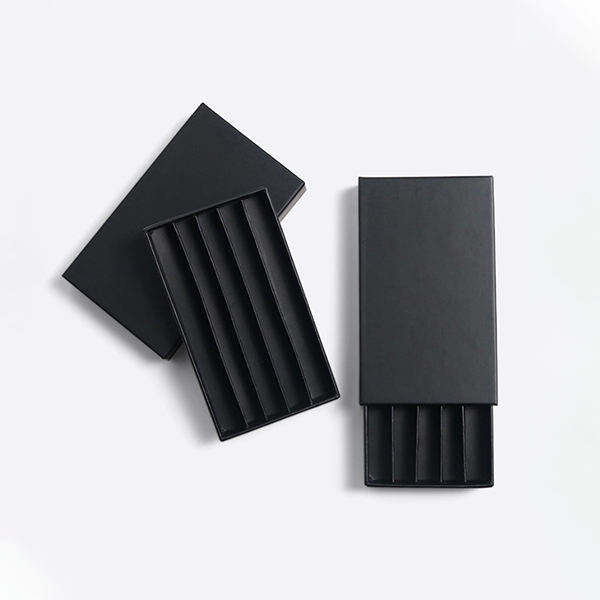
Cigarette Box Branding and Visual Identity
Making the Brand Easy to Recognize
Brand consistency is one of the main reasons companies choose custom packaging. A package should normally feel connected to the rest of the brand identity, including its website, marketing materials, retail displays, and other printed materials.
Typography is especially important. A recognizable typeface or consistent typographic system can help create a unified appearance. The same principle applies to logos, graphic shapes, imagery, and brand colors.
Using Color With Purpose
Color has a strong visual impact, but choosing colors should not be based only on personal preference. Designers need to consider readability, printing limitations, brand guidelines, and local packaging rules.
A strong color system can help different product variations remain visually related. For example, a brand might use one consistent base layout while adjusting approved visual elements for different product lines. This approach can make a collection look organized instead of random.
Designing for Different Markets
Packaging requirements can vary significantly between countries and regions. Rules concerning health warnings, typography, package dimensions, labeling, and graphic presentation may all affect the final design.
For companies serving multiple markets, it is important to check the relevant regulations before finalizing artwork. A design that works in one market may need substantial changes elsewhere. In practice, regulatory review should happen before large-scale printing rather than after production has started.
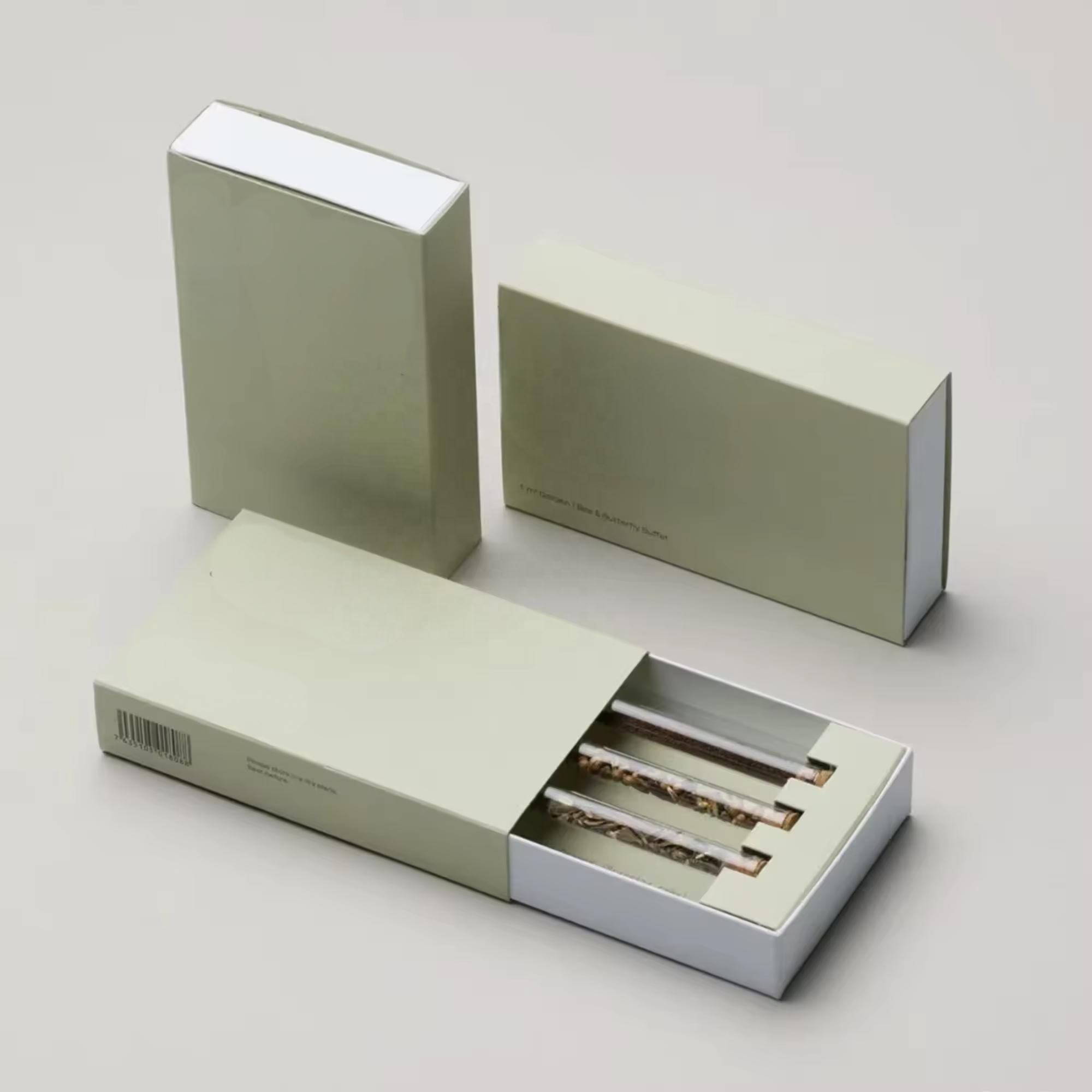
Cigarette Box Structure, Production, and Quality Control
Getting the Box Structure Right
Structural packaging design is often overlooked during the early creative stage. Yet even a strong visual concept can fail if the physical box does not fold correctly or hold its shape.
A packaging designer normally creates a dieline that defines cutting, folding, gluing, and other production areas. The artwork must then be aligned accurately with that dieline. Small errors can become obvious once hundreds or thousands of packages are produced.
Why Prototypes Matter
A physical prototype is useful because digital mockups cannot show every practical issue. A sample can reveal whether the box feels too weak, whether the opening mechanism works properly, or whether important graphics are positioned correctly.
Prototypes also allow designers to examine print quality and finishing effects. Making adjustments at this stage is generally easier than changing a large production order later.
Checking Quality Before Mass Production
Quality control should cover both the physical structure and printed artwork. Common inspection points include dimensions, color consistency, folding accuracy, surface quality, alignment, and finishing.
A documented approval process can reduce communication problems between designers, packaging manufacturers, and brand teams. The final approved sample should ideally become the reference point for production inspections.
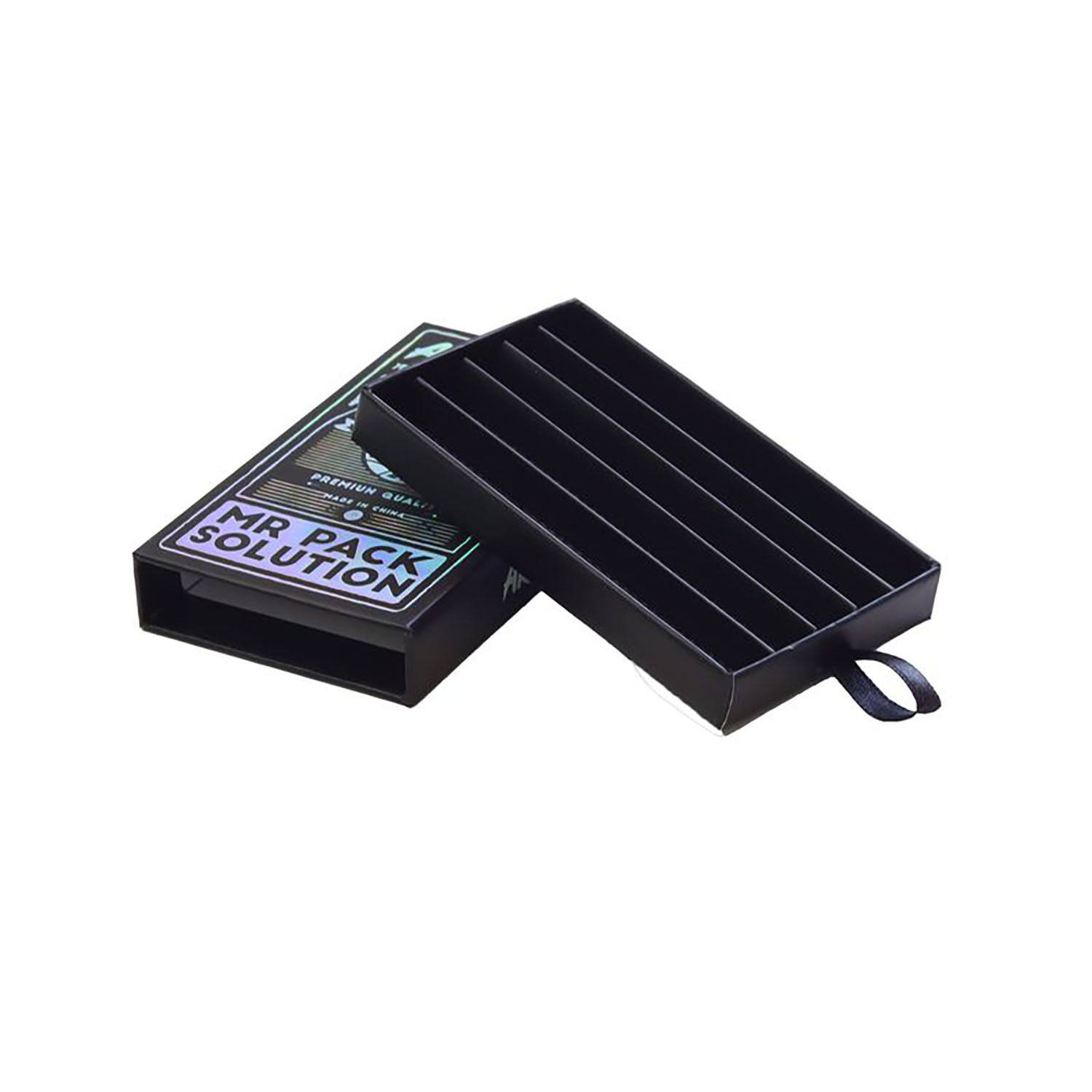
Cigarette Box Packaging Trends and Sustainable Considerations
Moving Toward More Responsible Materials
Sustainability has become an important packaging discussion across many industries. Brands and packaging manufacturers are increasingly examining paper sourcing, material efficiency, coatings, inks, and production waste.
For a Cigarette box, material choices need to balance sustainability goals with structural requirements and local regulations. Using less unnecessary material can be one practical starting point. Designers can also examine whether certain decorative elements add real value or simply increase production complexity.
Exploring Minimalist Packaging
Minimalist design continues to influence packaging because it can make a product look organized and contemporary. Rather than filling every available area, designers can create stronger visual hierarchy through spacing, typography, and carefully selected graphic elements.
Minimalism also makes it easier to update packaging systems. A flexible layout can accommodate regulatory information, product details, and different versions without requiring an entirely new design each time.
Thinking About the Full Packaging Process
Sustainable packaging is not simply about choosing a particular material. The complete production process matters too. Material sourcing, printing, transportation, waste, storage, and end-of-life considerations can all influence the environmental impact of packaging.
For companies developing new packaging, it can be useful to discuss these factors with packaging engineers and qualified suppliers early in the project. A practical solution usually comes from looking at the entire production chain rather than focusing on one feature.
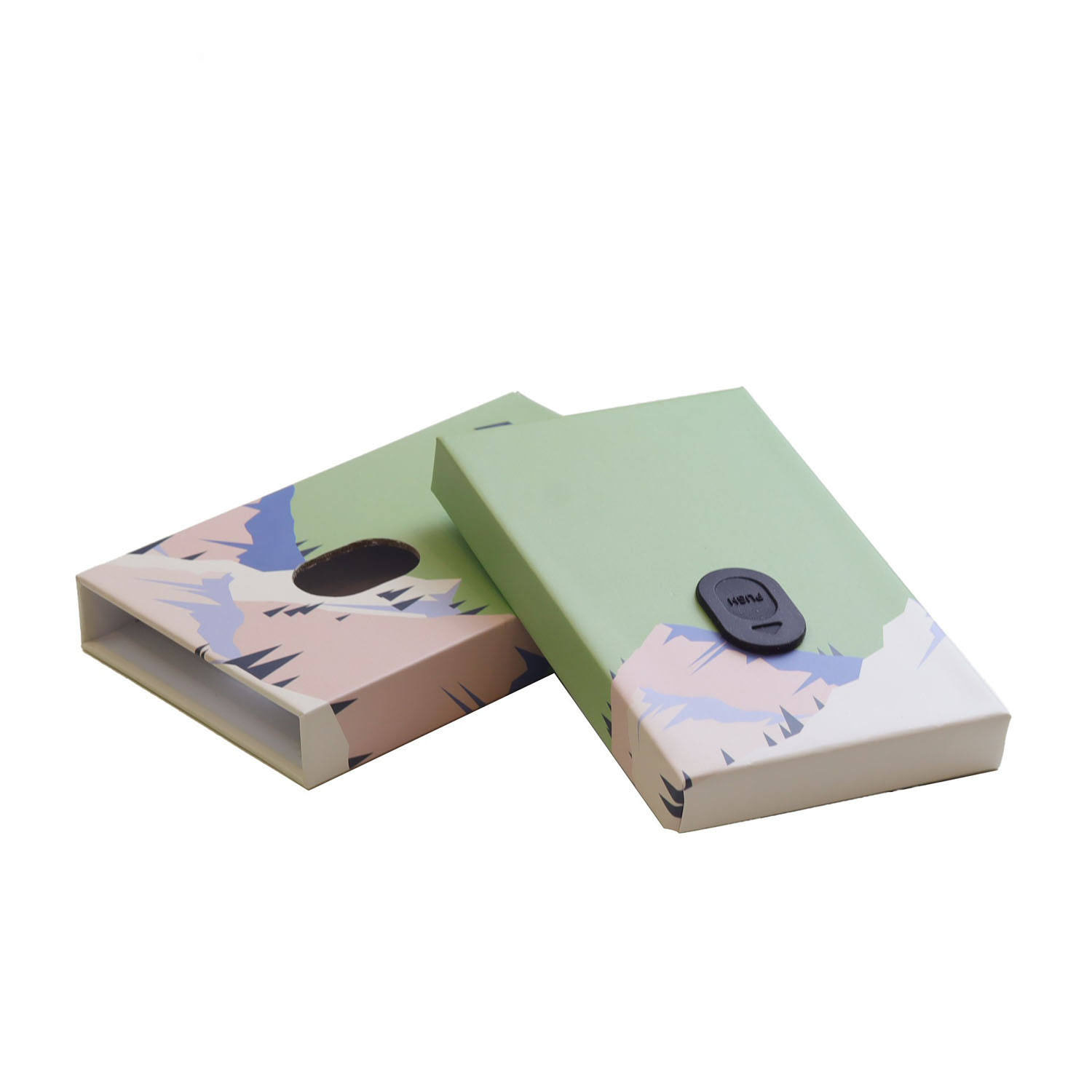
Cigarette Box Customization: From Concept to Final Product
Starting With a Clear Brief
The best packaging projects usually begin with a clear design brief. It should explain the intended box structure, dimensions, required information, brand identity, target market, printing specifications, and applicable legal requirements.
A clear brief saves time because everyone involved understands what the package needs to achieve. It also makes it easier to compare different design concepts and identify unnecessary changes.
Working With Designers and Manufacturers
Communication between the creative team and manufacturer is essential. Designers may focus on branding and visual presentation, while manufacturers need to consider production tolerances, machinery, materials, and finishing limitations.
Bringing both sides into the process early can prevent avoidable problems. Before approving the final artwork, teams should confirm the dieline, material specifications, color references, finishing details, and production requirements.
Building a Repeatable Packaging System
For brands with several package variations, creating a repeatable system can be more efficient than designing every box from scratch. A strong system can define fixed elements such as logo placement, typography, margins, and structural dimensions while leaving controlled areas for approved variations.
This approach can make future updates faster and help maintain consistency across a product range. It is especially useful when packaging needs to be adapted for different markets or regulatory requirements.
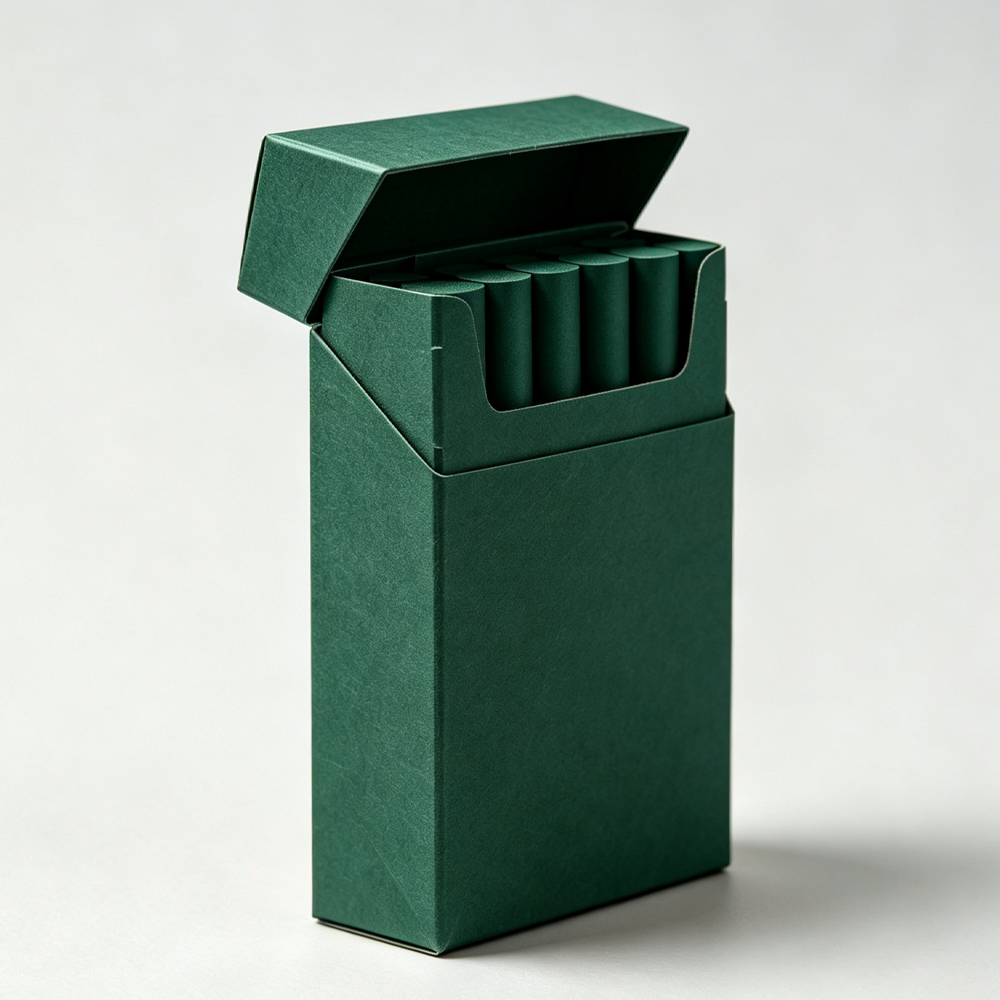
Summary: Cigarette Box Design Should Combine Function and Responsibility
Bringing Design and Practicality Together
A successful Cigarette box is the result of several elements working together. Visual identity, structural design, material selection, printing quality, usability, and regulatory requirements all need to be considered.
Custom packaging can provide greater control over these elements, but good results rarely come from decoration alone. A strong package should have a clear structure, readable information, consistent branding, and reliable production quality.
Planning Before Printing
The most useful step is often the simplest one: plan before production. Establish the requirements, create the artwork, test the structure, produce a physical sample, review the applicable regulations, and only then move toward mass production.
With careful planning, custom packaging projects can be more consistent and easier to manage. Whether the goal is to refresh an existing packaging system or develop a completely new Cigarette box concept, the combination of thoughtful design, practical engineering, and responsible compliance provides a much stronger foundation for the final result.
Post time: Aug-15-2026