

What Makes a Cigarette Pack Different?
A cigarette pack may look simple at first glance, but there is quite a lot going on behind that small box. Unlike ordinary retail packaging, a cigarette pack has to balance structure, printing quality, legal requirements, and practical use. Every part of the package, from the material to the opening style, can affect how the final product looks and functions.
When people talk about custom packaging, they often focus only on colors, logos, or artwork. In reality, the physical construction matters just as much. A box that looks impressive on a computer screen still needs to fold correctly, hold its shape, and survive transportation and everyday handling.
Start With the Packaging Structure
Before choosing colors or graphics, it makes sense to decide what type of box is required. Different folding structures offer different levels of durability and convenience. The dimensions also need to be accurate because even a small mistake can affect how the inner contents fit inside.
A good packaging project normally begins with a technical drawing or dieline. This gives the designer a clear idea of where the folds, cuts, glue areas, and printed sections will appear.
Think About Practical Use
A custom package should not only look neat. It should also be easy to manufacture and handle. Complicated structures can increase production costs, while unusual materials may require special printing or finishing equipment.
That is why the best approach is usually to find a balance between visual customization and practical production.
Paperboard is widely used for folding cartons because it is relatively lightweight and can be printed with detailed graphics. Different grades of paperboard provide different levels of stiffness, surface smoothness, and print performance.
For a cigarette pack, material selection also depends on the required dimensions and folding structure. A thinner board may be suitable for certain applications, while a stronger board can provide additional rigidity.
Matte, Gloss, and Uncoated Surfaces
The surface finish can completely change the appearance of packaging. Matte coatings tend to create a softer, understated appearance, while gloss finishes can make printed colors look more vivid.
Uncoated paper has a different feel altogether. It usually gives the surface a more natural texture and can work well when the design calls for a simple paper-based appearance.
Why Material Testing Matters
Choosing a material from a sample book is useful, but physical testing is even better. Paper can behave differently during folding, cutting, printing, and transportation.
A packaging supplier may therefore produce a prototype before full-scale manufacturing. This gives the buyer an opportunity to check dimensions, folding accuracy, surface quality, and overall construction.
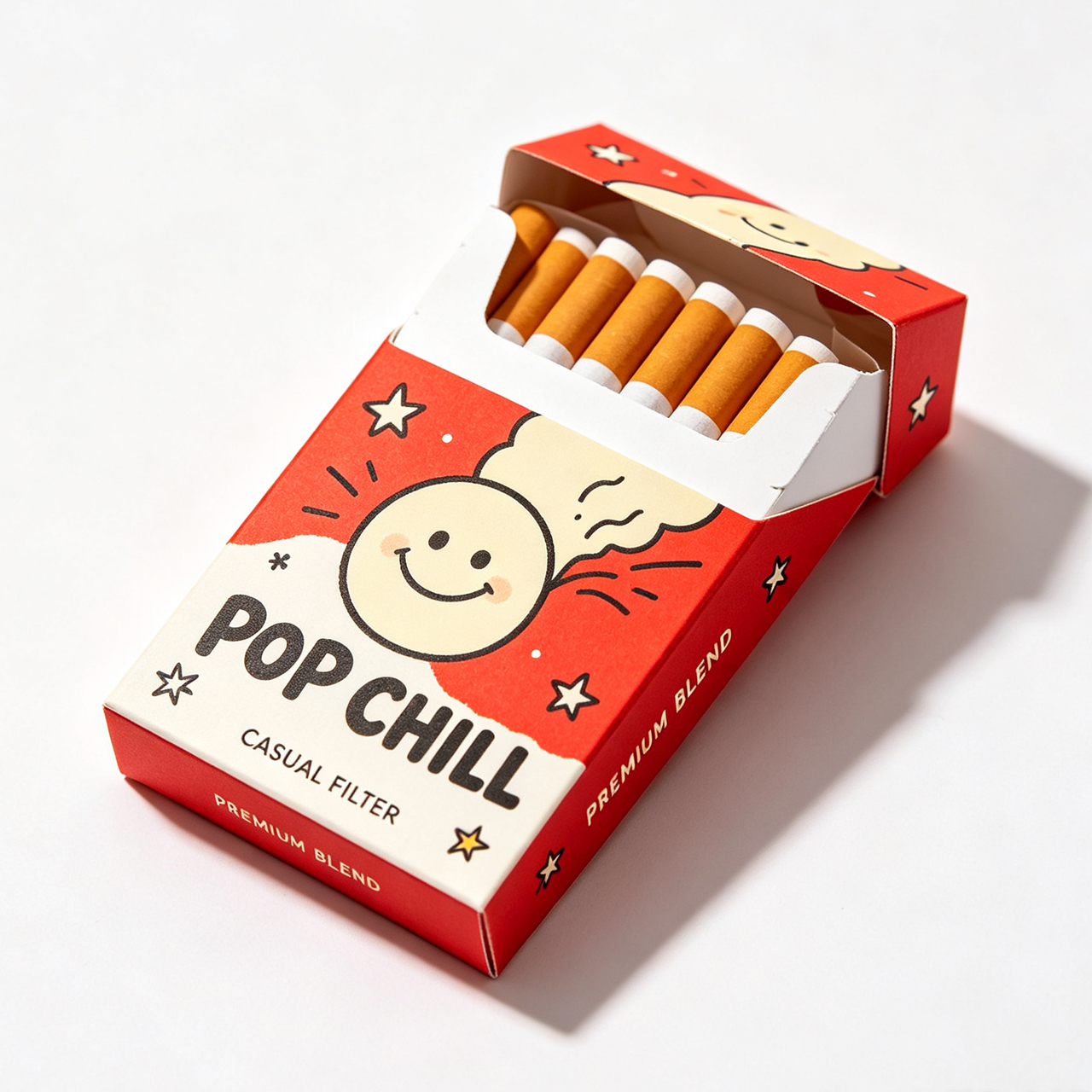
Preparing the Artwork
Print quality starts with properly prepared artwork. Designers normally need to consider image resolution, color settings, bleed areas, and the exact dimensions of the dieline.
It is also important to keep important text away from folding and cutting lines. A design may look perfect on a screen but become difficult to read if part of the artwork ends up too close to an edge.
Selecting a Printing Method
Different printing methods can produce different results. Offset printing is commonly used for detailed carton artwork, particularly when consistent color reproduction is important.
Digital printing can be useful for smaller production quantities or projects that require more flexibility. The best option depends on factors such as order volume, artwork complexity, material, and budget.
Proofing Before Production
Never underestimate the value of a physical proof. Digital previews are helpful, but they cannot always show exactly how paper texture, ink, coating, and folding will interact.
A physical sample can reveal problems that are easy to miss on a monitor. It is much cheaper to correct a design before mass production than after thousands of packages have already been printed.

Customization Goes Beyond the Logo
When discussing a custom cigarette pack, many people immediately think about adding a logo. However, customization can involve much more than that. Typography, layout, paper texture, printing techniques, structural details, and finishing can all contribute to the overall packaging design.
At the same time, tobacco packaging is heavily regulated in many markets. Required health warnings, standardized elements, restrictions on imagery, and other legal requirements may significantly limit what can be changed.
Check Local Packaging Rules
Packaging requirements are not identical everywhere. Regulations can vary between countries and sometimes between different jurisdictions within the same country.
Before finalizing artwork, manufacturers and brand owners should verify the current rules that apply to their intended market. This is especially important for mandatory warnings, labeling, package dimensions, prohibited claims, and required information.
Avoid Designing First and Checking Compliance Later
One common mistake is to finish the creative design and only then discover that major changes are required for compliance.
A better workflow is to include legal requirements at the beginning of the design process. The creative team can then work around those fixed elements instead of redesigning the entire package at the end.

Prototype First
A prototype provides a useful bridge between design and manufacturing. It allows the team to inspect the actual package rather than relying entirely on digital files.
During this stage, several details should be checked, including folding accuracy, glue strength, print alignment, material thickness, and the overall fit of the package.
Quality Control During Production
Once production begins, quality control becomes especially important. Even a well-designed package can develop issues if printing or converting conditions are inconsistent.
Common quality checks may include color consistency, cutting accuracy, folding position, surface defects, and carton dimensions. Automated inspection systems can also be used in larger production environments.
Packaging and Shipping
Finished cartons need to be packed properly for transportation. Poor handling can lead to crushed corners, scratches, moisture damage, or other surface problems.
For international orders, shipping conditions and storage environments should also be considered. Packaging that performs well in a dry warehouse may require different protection when exposed to high humidity or long-distance transportation.
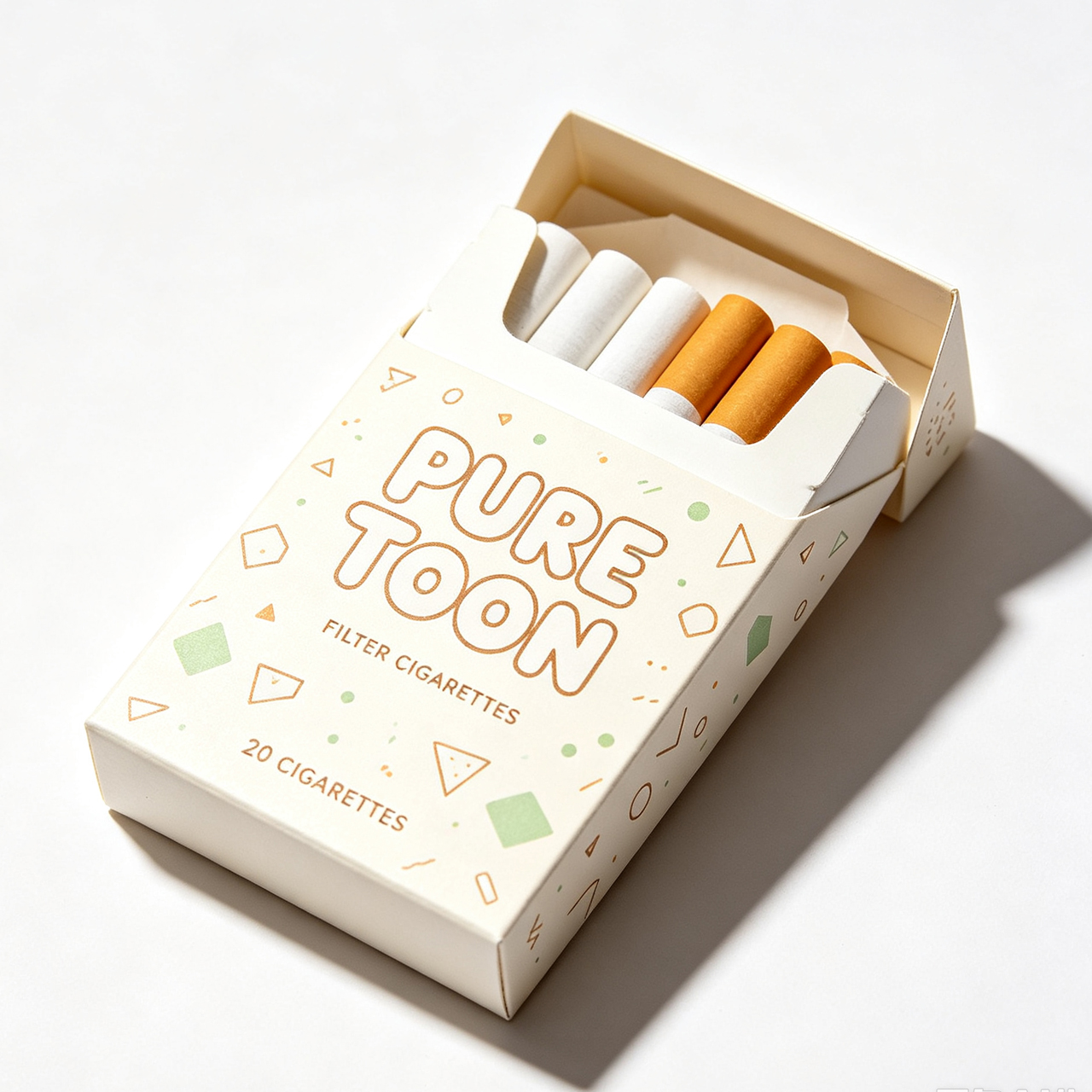
Order Quantity
Quantity is one of the biggest factors affecting packaging cost. Larger production runs can often reduce the average cost per unit because setup expenses are distributed across more packages.
Small quantities may cost more per piece, particularly when specialized printing or finishing processes are involved.
Printing and Finishing
The number of colors, coating type, embossing, foil effects, special inks, and other finishing processes can all change the price.
A simple carton with standard printing is generally easier to manufacture than one with several additional finishing steps. If the project has a strict budget, simplifying the production process may be more effective than reducing paper quality.
Shipping and Production Location
The quoted factory price is not always the final cost. Freight, packaging for transportation, customs-related expenses, and other logistics costs can affect the overall budget.
For that reason, it is useful to compare the total landed cost rather than looking only at the unit price.
Designing a cigarette pack is not simply a matter of putting artwork onto a small cardboard box. The project involves structural design, material selection, printing, finishing, quality control, manufacturing, logistics, and—most importantly—compliance with the rules applicable to the target market.
A Better Design Workflow
The process becomes much easier when each stage is handled in the right order: define the package structure, check regulatory requirements, prepare the artwork, select materials, create a prototype, test the physical sample, and only then move into larger-scale production.
Focus on Reliable Production
Good packaging is ultimately about consistency. The design should translate accurately from the computer screen to the printed sheet and then to the finished carton.
For businesses working on regulated tobacco packaging, the safest approach is to combine creative design with professional packaging expertise and up-to-date legal review. This can reduce costly revisions and help ensure that the final packaging is suitable for its intended market.
A custom cigarette pack should balance appearance, structure, material, printing quality, and regulatory requirements. Before starting the artwork, it is important to determine the package size, folding structure, paperboard type, and required legal information. A physical prototype is also useful for checking whether the final package works as expected.
Paperboard is a common choice for folding cartons because it is lightweight, printable, and available in different thicknesses and finishes. Depending on the project, manufacturers may offer matte, gloss, or uncoated surfaces. The best material depends on the required strength, appearance, printing method, and production budget.
Customization options depend heavily on the regulations of the target market. Elements such as the structure, typography, paper finish, and certain graphic details may be adjustable, but tobacco packaging is subject to strict rules in many regions. Required warnings, labels, and standardized packaging elements should be checked before the design is finalized.
A prototype lets you see and handle the actual packaging before committing to a large production run. It can help identify problems with dimensions, folding, cutting, printing alignment, material thickness, or finishing. Fixing these issues at the prototype stage is usually much easier and less expensive than correcting them after mass production.
Post time: Sep-05-2026