

When a cigarette brand needs packaging in a hurry, waiting weeks for boxes can quickly become a problem. A Customized cigarette box is not just a container. It is part of the product image, so rushing the job should not mean accepting poor printing, weak materials, or sloppy finishing. The good news is that fast production is possible when the project is planned from the start.
Start With a Production-Ready Design
One of the easiest ways to save time is to prepare the artwork correctly before sending it to the printer. Use the required file format, add proper bleed, check colors, and make sure text is readable. If the design needs major changes after production has started, the schedule can easily slip.
Keep the Structure Simple
A standard box style is usually faster to produce than a complicated structure with unusual folds, inserts, or special mechanisms. If speed is the priority, choose a proven box style and focus customization on the artwork, paper, printing, and finishing.
Confirm Every Detail Early
Before production, check the size, quantity, material, printing colors, finish, and shipping address. It sounds basic, but small misunderstandings can create surprisingly long delays. A clear production brief helps the supplier move directly from approval to manufacturing.
Material selection can make a big difference when you need packaging quickly. Some materials are easier to source and process because printers already use them regularly.
Choose Reliable Paperboard
Paperboard is widely used for folding cartons because it offers a good balance between strength, printability, and cost. For a fast project, commonly available board grades can often be processed more quickly than unusual materials that require special sourcing.
Match Material to the Product
A premium brand may want a thicker board or a luxury paper texture, while a promotional run may need a more economical option. The important thing is to choose material based on the actual packaging requirement instead of adding features simply because they look impressive.
Think About Printing Performance
Smooth paperboard generally gives graphics a clean appearance and helps detailed artwork reproduce well. If your design contains small text, fine lines, or strong brand colors, discuss the material and printing method before production begins.
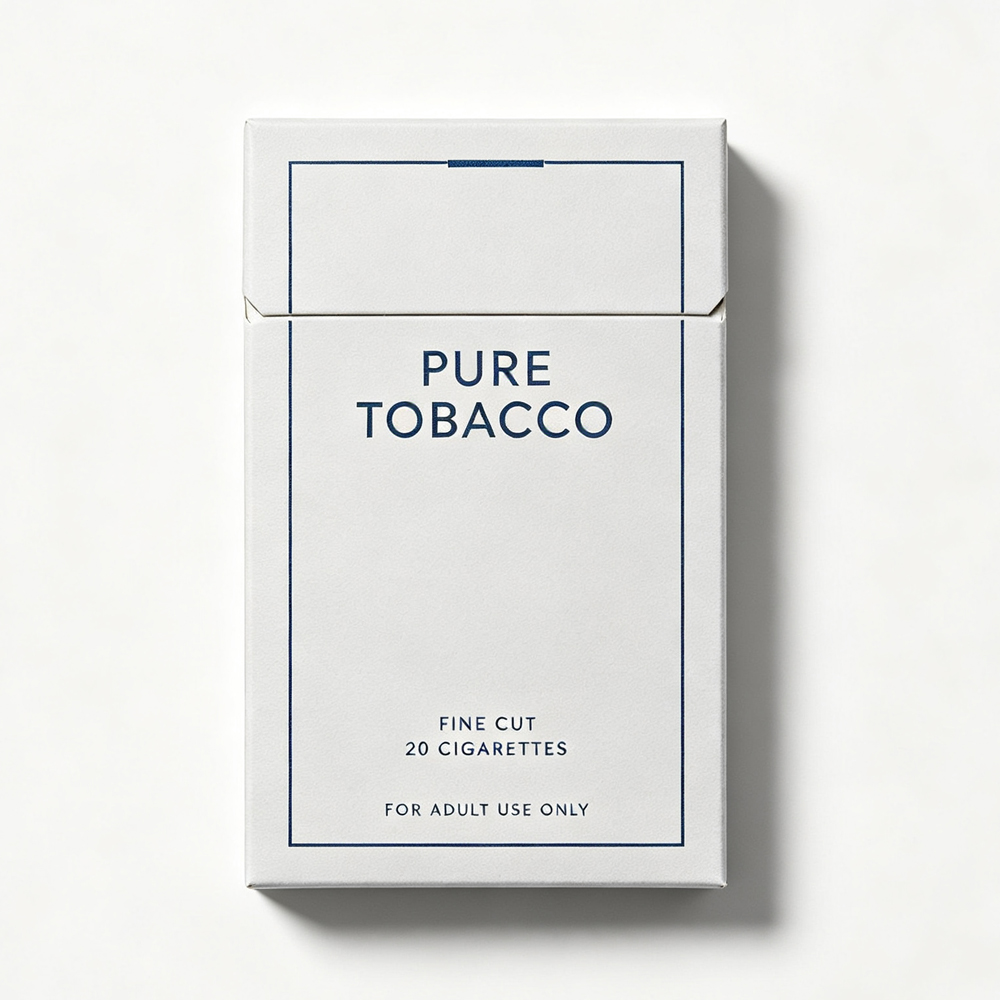
Printing is where packaging really starts to look like a finished brand product. However, too many finishing processes can increase production time, especially for a rush order.
Offset Printing for Detailed Artwork
Offset printing is a common choice for high-quality folding cartons. It can produce sharp graphics, smooth color areas, and consistent results across larger quantities. For established packaging projects, it can be an efficient choice when the artwork is already finalized.
Add Finishing With a Purpose
Matte or gloss lamination, foil stamping, embossing, and spot effects can all change the look and feel of a Customized cigarette box. The trick is not to use every option at once. Pick one or two effects that actually support the brand design.
Avoid Last-Minute Finishing Changes
Changing the finish after a sample has been approved can affect both production timing and cost. If the packaging needs to ship quickly, confirm the finish before placing the final order. This keeps the production line moving instead of sending the job back for approval.
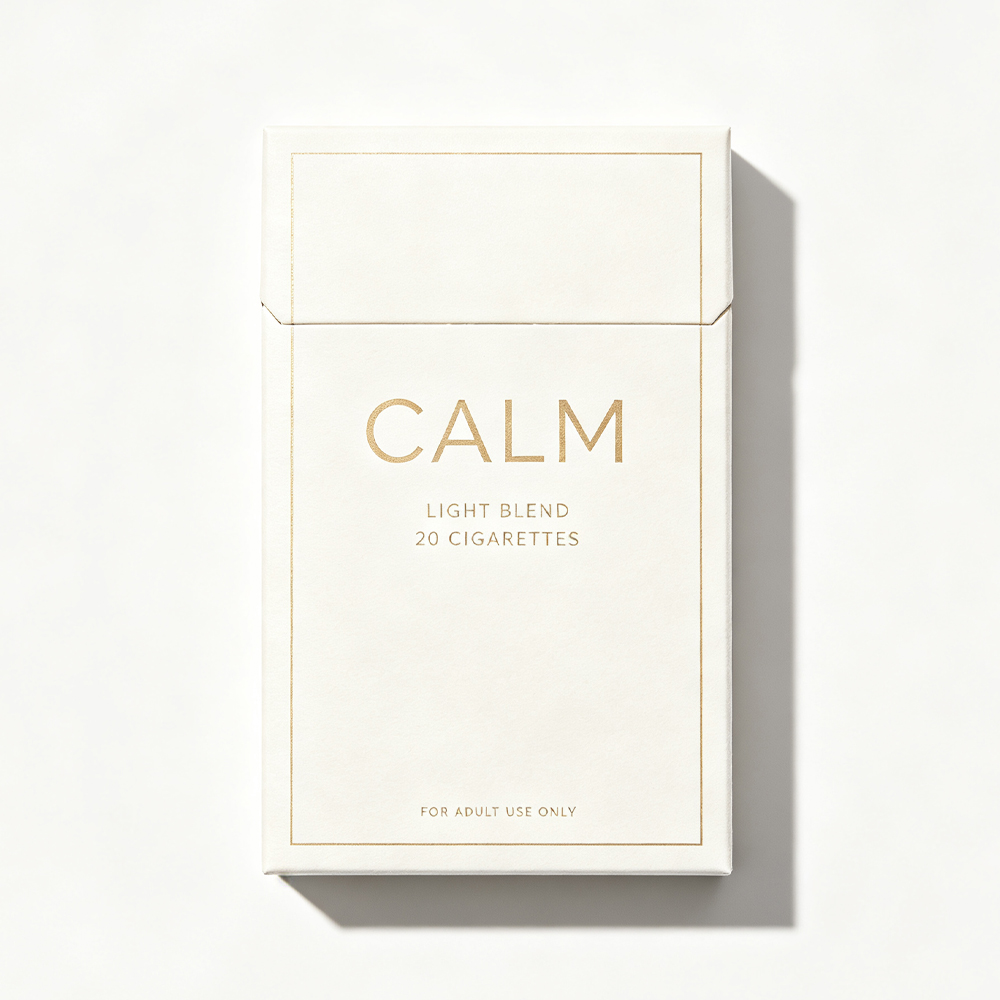
Fast delivery does not begin with the shipping company. It starts with production planning. A realistic schedule should include artwork approval, material preparation, printing, cutting, folding, quality inspection, packing, and transportation.
Ask for a Clear Timeline
A reliable supplier should be able to explain what happens after the order is confirmed. Instead of asking only, “How fast can you make it?”, ask when printing starts, when finishing is completed, and when the cartons are ready for dispatch.
Consider a Pre-Production Sample
For a new design, a sample can prevent expensive mistakes. It gives you a chance to check dimensions, colors, folding, and overall appearance before the full quantity is manufactured. For repeat orders with an unchanged design, the approval process may be much quicker.
Plan Quantity Carefully
Large orders can require more production time, while very small quantities may not fit efficiently into a standard manufacturing schedule. If you have a fixed launch date, tell the supplier the required quantity and deadline at the beginning rather than trying to speed things up later.
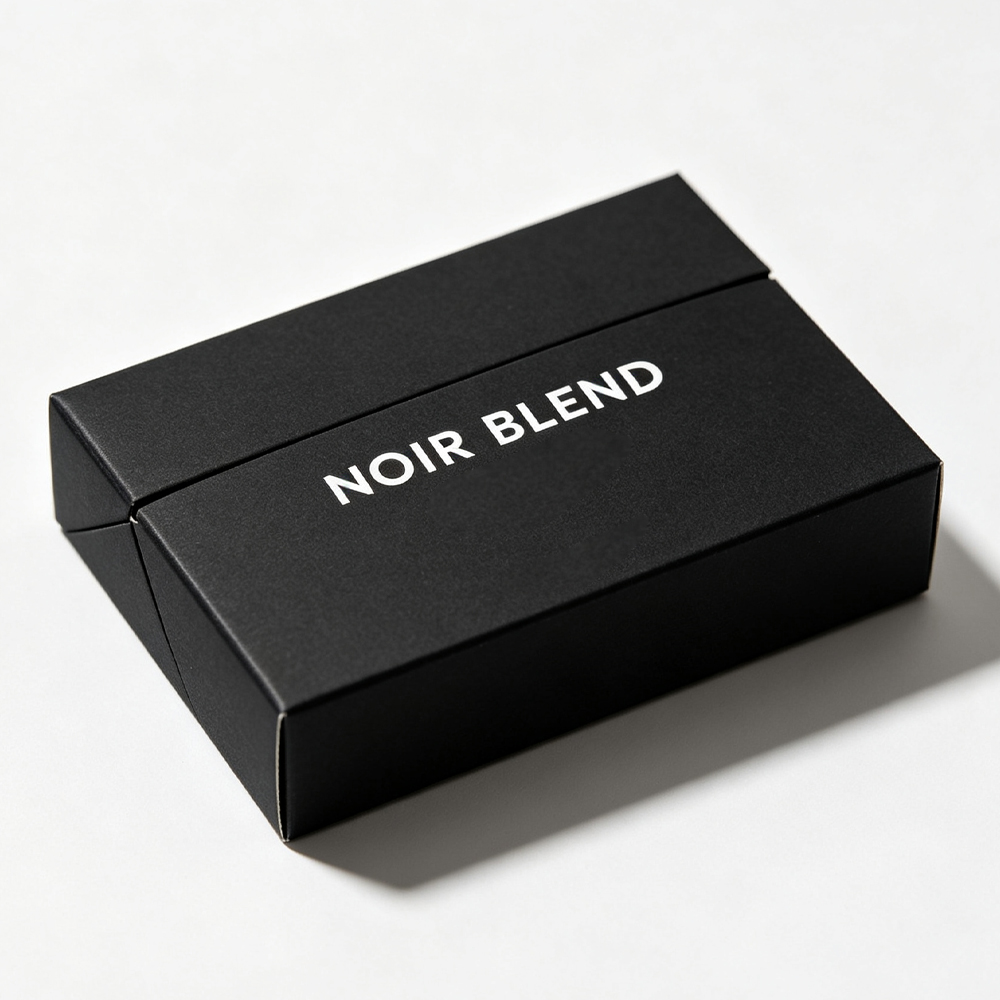
Fast shipping only matters if the boxes arrive in usable condition. Quality control should therefore be part of the rush-order process, not something added at the end.
Check Printing and Color
Inspect finished cartons for obvious printing problems, uneven coverage, scratches, smudges, or registration issues. Brand colors should also be compared against the approved reference whenever possible.
Check Cutting and Folding
A box can look perfect when it is flat but still perform badly after folding. The die-cut shape, creasing lines, glue areas, and folding points should be checked to make sure the carton forms correctly.
Pack for Transportation
Proper packing helps protect printed surfaces and box edges during transportation. Cartons should be packed securely and protected from moisture, crushing, and unnecessary movement. Good packaging at the factory can reduce the risk of receiving damaged goods.
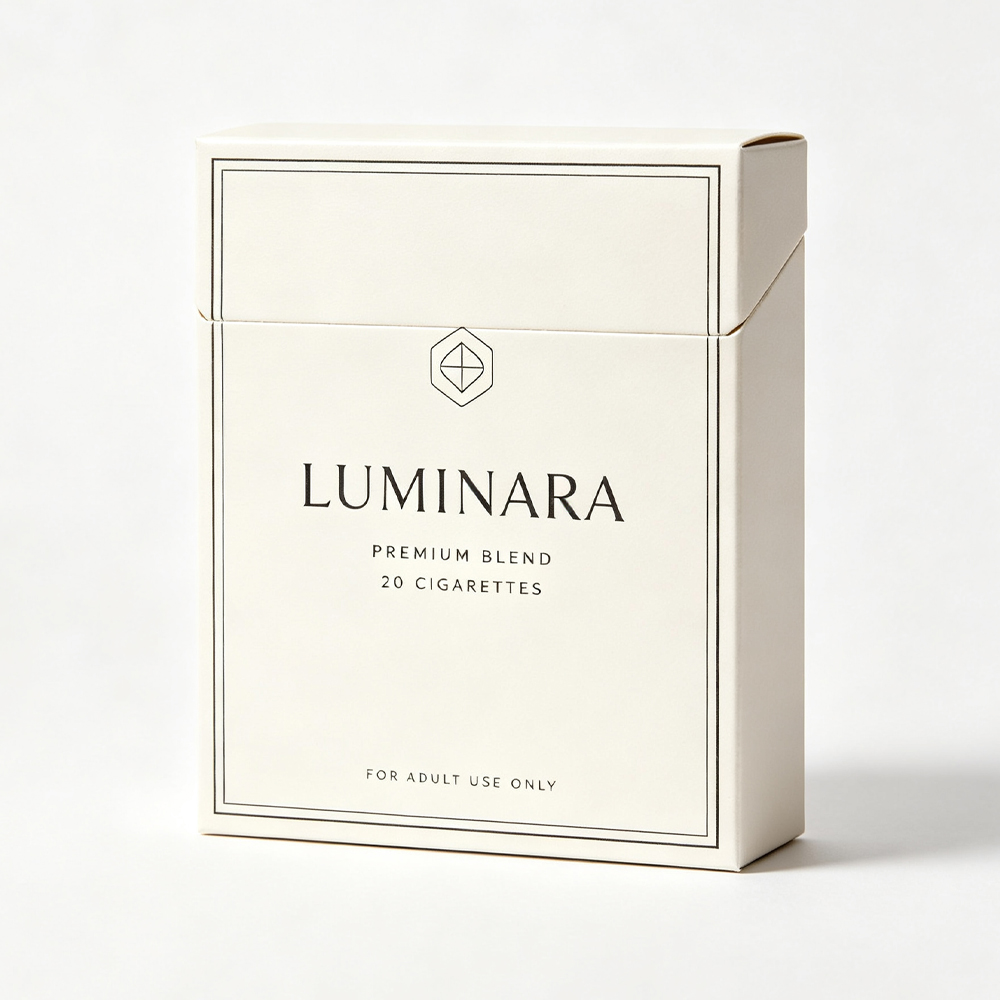
Once production is finished, transportation becomes the next important step. The fastest shipping method is not always the best option. The right choice depends on order size, destination, budget, and deadline.
Choose Shipping Based on the Deadline
Air freight or express delivery can make sense when timing is critical, while sea freight is generally more suitable for larger shipments where cost matters more than speed. Always compare the expected transit time with your actual launch date.
Prepare Shipping Information Early
Make sure the supplier has the correct delivery address, contact details, carton requirements, and any necessary shipping instructions before the order leaves the factory. Missing information can create avoidable delays.
Leave a Small Time Buffer
Even with fast production and express transportation, unexpected delays can happen. Customs processing, weather, carrier congestion, or local delivery issues are outside the printer's direct control. Building a little extra time into the schedule makes the entire project less stressful.
Getting a Customized cigarette box shipped quickly is mainly about preparation, not simply paying for faster shipping. A clear design, readily available materials, straightforward box structure, confirmed finishing options, organized production schedule, and proper quality control can all shorten the overall turnaround. Most importantly, communicate the deadline from day one. When the supplier understands exactly what you need and when you need it, it becomes much easier to build a practical production and shipping plan. Fast packaging should still look professional, protect the product, and represent the brand properly.
Production Time Depends on the Project
A Customized cigarette box can often be produced quickly when the artwork, box size, material, quantity, and finishing options are confirmed in advance. Simple designs with standard materials and structures are generally easier to schedule than highly complex packaging.
Shipping Time Is Separate
Production and shipping are two different stages. Once the boxes are finished and inspected, the delivery method—such as express, air freight, or sea freight—will affect the final arrival date.
Prepare Artwork in Advance
Send production-ready artwork with the correct dimensions, bleed, colors, and text. Avoiding repeated design revisions can save valuable time.
Use Standard Materials and Structures
Common paperboard materials and proven box styles are usually easier to source and manufacture. If speed is the main goal, keeping the structure practical can help reduce unnecessary delays.
Popular Finishes Are Usually Easier to Arrange
Options such as matte or gloss lamination, foil stamping, and embossing can give packaging a more premium appearance. However, every additional process may affect the production schedule.
Confirm Finishing Before Production
For a fast order, it is best to finalize all finishing requirements before manufacturing begins. Last-minute changes may require additional approval or production time.
Inspect the Finished Packaging
Quality checks should cover printing, color consistency, cutting, creasing, folding, and overall appearance. A sample can also help identify design or structural problems before a larger production run.
Check the Packing Method
The finished cartons should be packed securely to reduce the risk of scratches, crushing, moisture exposure, or other transportation damage.
Post time: Aug-22-2026